
Jean-Marie Le Pen, the firebrand far-right French politician and one of the key architects of the modern neo-fascist movement in Europe, has died.
The New York Times reports that “Jean-Marie Le Pen, the founding father of France’s modern political far right, who built a half-century career on rants of barely disguised racism, antisemitism and neo-Nazi propaganda, has died. He was 96.” Le Monde underlines that “Jean-Marie Le Pen, l’homme qui a remis l’extrême droite au cœur du jeu politique français, est mort.”
Jean-Marie Le Pen was a notorious racist who consistently promoted neo-fascist and anti-immigrant ideologies. He served as a military intelligence officer in Algeria during the Algerian War and was accused of war crimes for torturing Algerians during the conflict. He denied all charges of war crimes and was an unabashed apologist for French Empire and militarism. He later became a far-right politician and founded the Front National (National Front), the leading neo-fascist political party in France, in 1972 and led it for decades.
He is best known for his outrageous and repeated denials of the historical reality of the Holocaust. The New York Times reports that “a French court in 1987 convicted Mr. Le Pen of Holocaust denial for saying that Nazi gas chambers were ‘a detail’ in history. He repeated the comment a decade later, and was convicted by a German court.”
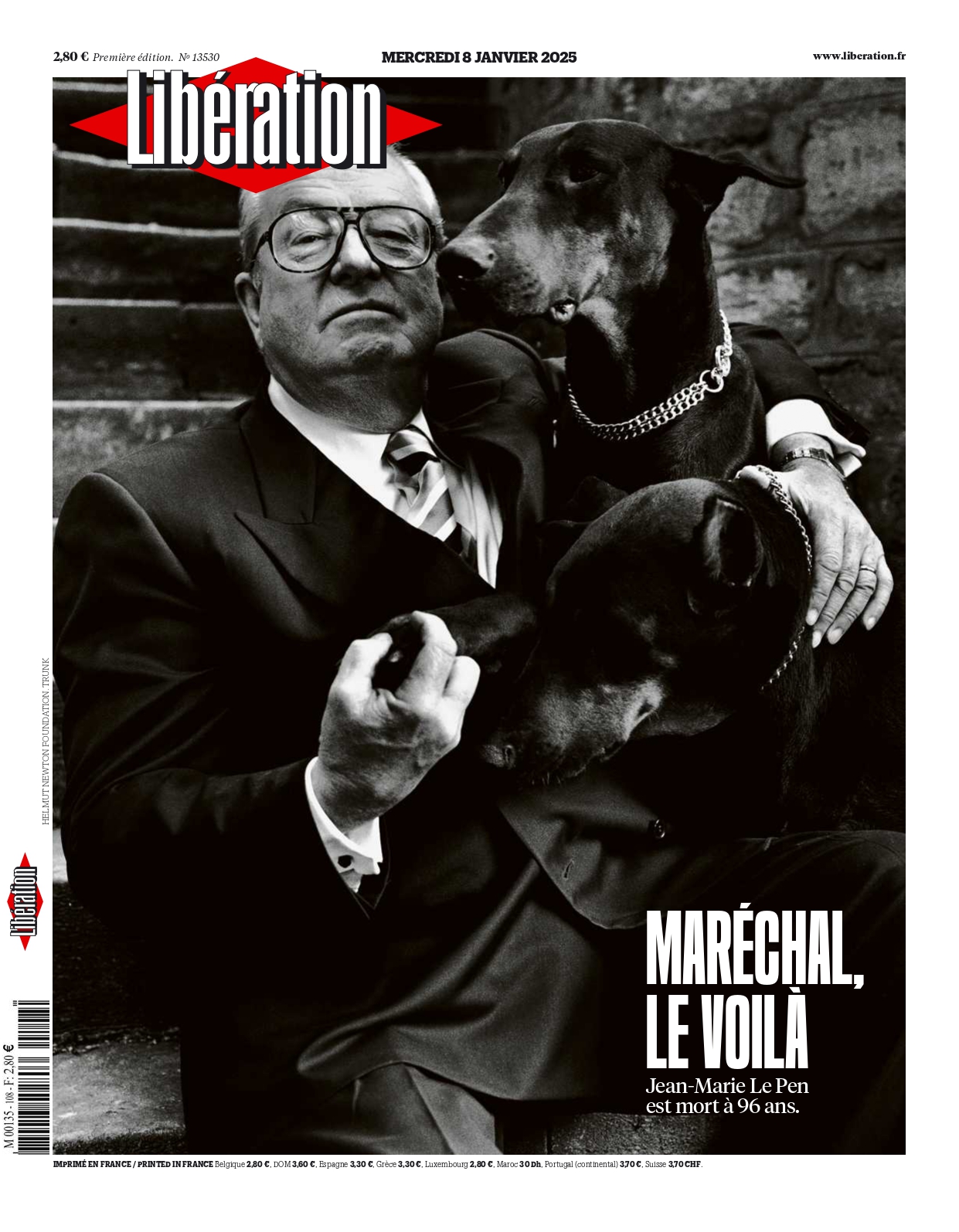
According to The New York Times, “An arm-waving reactionary with the swagger of a circus pitchman making outrageous claims, Mr. Le Pen ran unsuccessfully for the French presidency five times, making it to a runoff in 2002, riding waves of discontent and xenophobia and raising specters of a new fascism as he excoriated Jews, Arabs, Muslims and other immigrants — anyone he deemed to be not ‘pure’ French.”
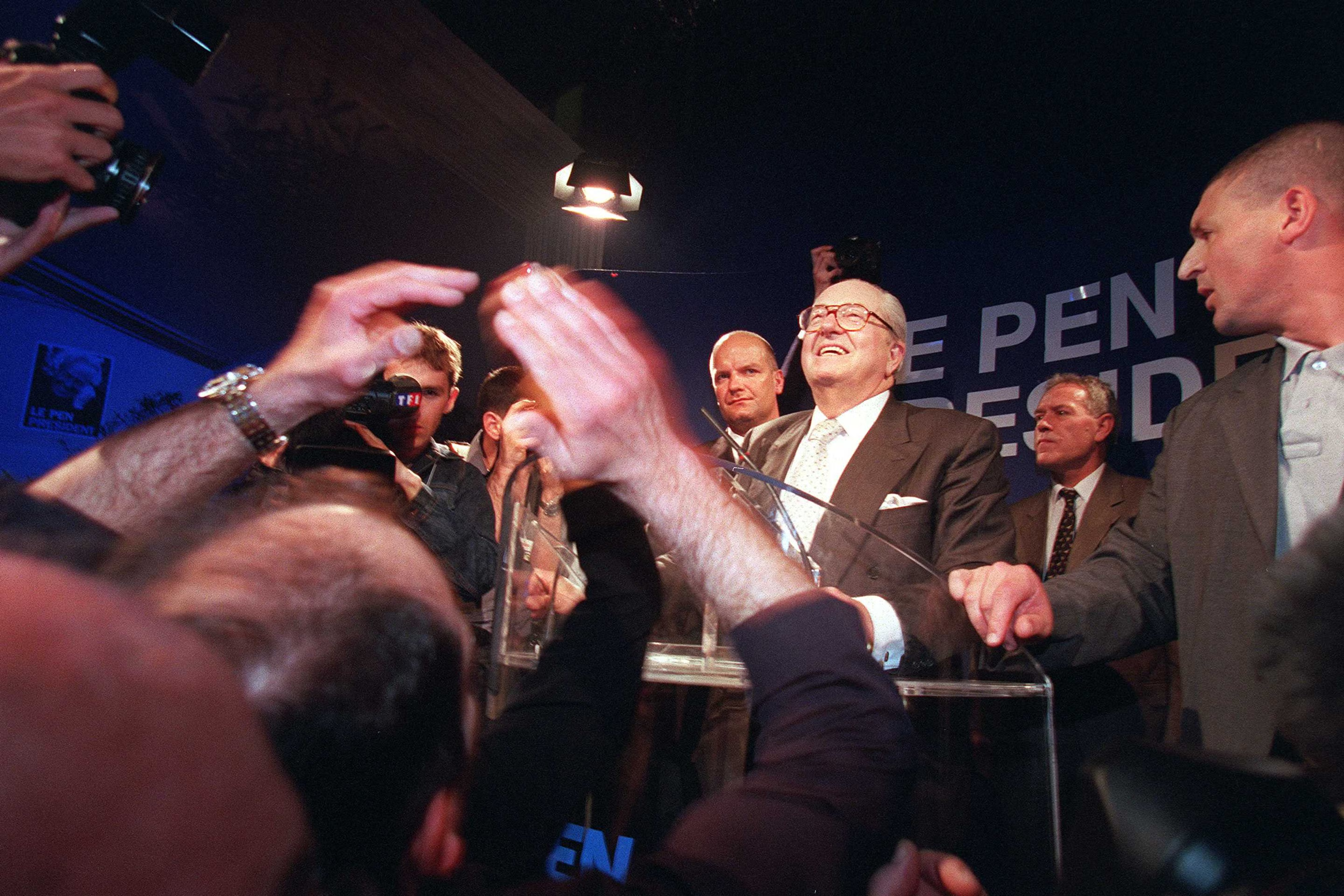
I followed Jean-Marie Le Pen’s rise while conducting doctoral research in France in the 1990s, and then observed his presidential campaign in 2002 from the European University Institute in Florence, Italy.
Le Pen shocked French citizens by besting the Socialist Lionel Jospin in the first round of the 2002 French Presidential Election and then heading into a runoff against conservative President Jacques Chirac. Although Chirac won the runoff in the second round by a landslide, Le Pen nonetheless scored a then record number of votes for a far-right candidate, opening the door for far-right politicians across Europe to launch their own candidacies.
Jean-Marie Le Pen’s daughter, Marie Le Pen, emerged as his successor as party leader of the Front National in 2011. She has attempted to rebrand the party and has renamed it the Rassemblement National (National Rally).
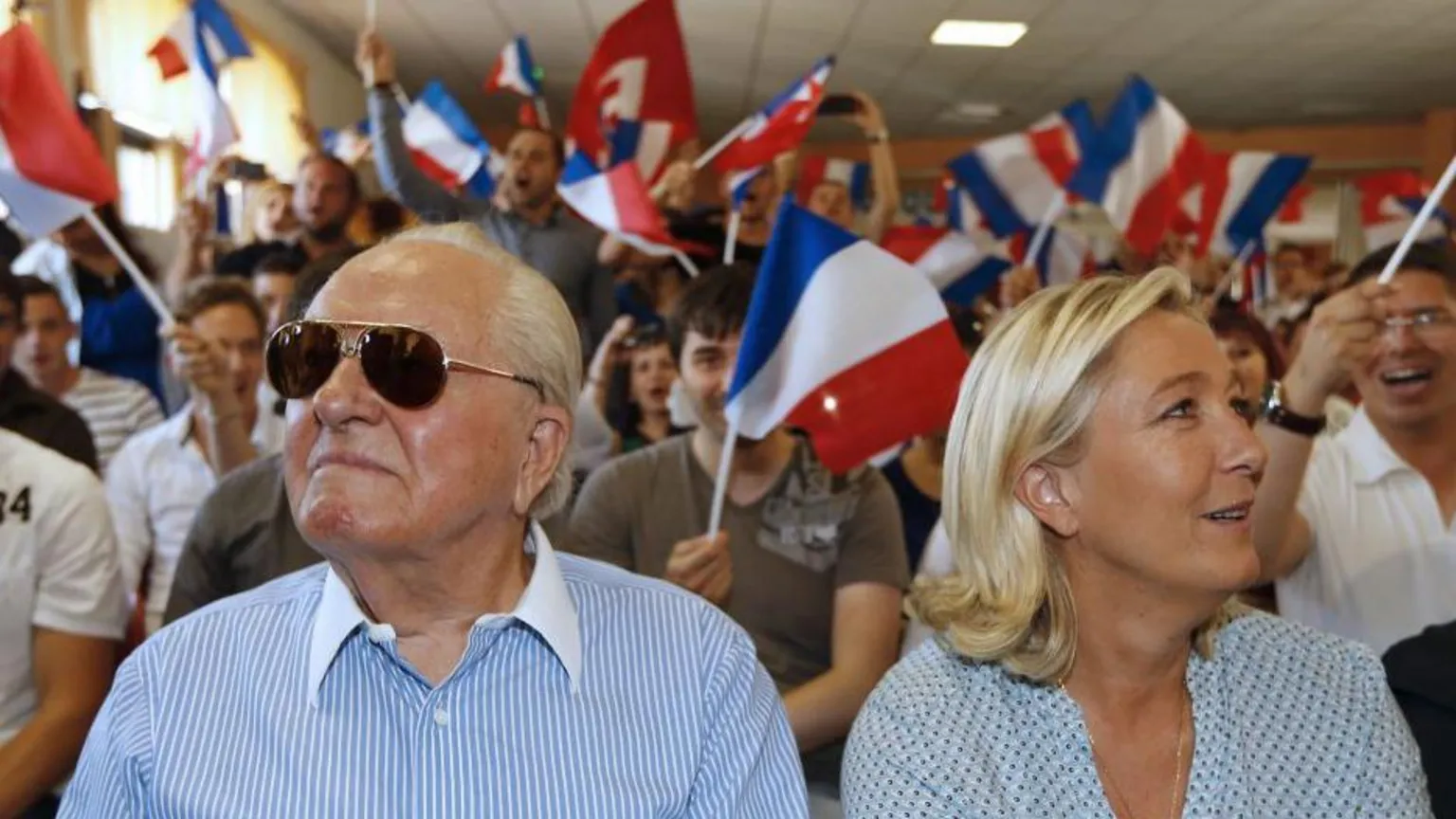
Political analyst Aurelien Mondon (University of Bath) argues that “The death of Jean-Marie Le Pen, former leader of the party once known as the National Front, occurs at a time when the mainstreaming of far-right politics in France seems almost complete. Le Pen was, for most of his career, considered the devil in French politics. Yet today, his party, headed by his daughter and now called National Rally (Rassemblement National), is at the gates of power.”
Italian journalist Michele Barbaro comments: “And it’s not just France. Modern versions of the far-right populism that Jean-Marie Le Pen embodied are thriving across the West. Italy is led by a postfascist prime minister. Nationalist-populist parties are in charge in Hungary and share power in Finland and Sweden. In the United States, Donald Trump, whose “America First” slogan is reminiscent of the old National Front posters, had already won the top job once and won it again in 2024. Jean-Marie Le Pen is dead, but his heirs are doing just fine.”
French historians will be confronting the legacy of Jean-Marie Le Pen for decades to come, as undoubtedly will French citizens.
Le Monde, The New York Times, The Washington Post, BBC, The Guardian, and other news organizations have published obituaries.
Aurelien Mondon’s commentary is published in The Conversation. Michele Barbaro’s article appears in Foreign Policy.


 Brian Sandberg: Historical Perspectives