
A new report in The Atlantic focuses on the New Apostolic Reformation (NAR) in contemporary Christianity and its growing influence in the political culture of the United States.
Stephanie McCrummen writes: “A shift is under way, one that scholars have been tracking for years and that has become startlingly visible with the rise of Trumpism. At this point, tens of millions of believers—about 40 percent of American Christians, including Catholics, according to a recent Denison University survey—are embracing an alluring, charismatic movement that has little use for religious pluralism, individual rights, or constitutional democracy. It is mystical, emotional, and, in its way, wildly utopian. It is transnational, multiracial, and unapologetically political. Early leaders called it the New Apostolic Reformation, or NAR, although some of those same leaders are now engaged in a rebranding effort as the antidemocratic character of the movement has come to light. And people who have never heard the name are nonetheless adopting the movement’s central ideas. These include the belief that God speaks through modern-day apostles and prophets. That demonic forces can control not only individuals, but entire territories and institutions. That the Church is not so much a place as an active “army of God,” one with a holy mission to claim the Earth for the Kingdom as humanity barrels ever deeper into the End Times.”
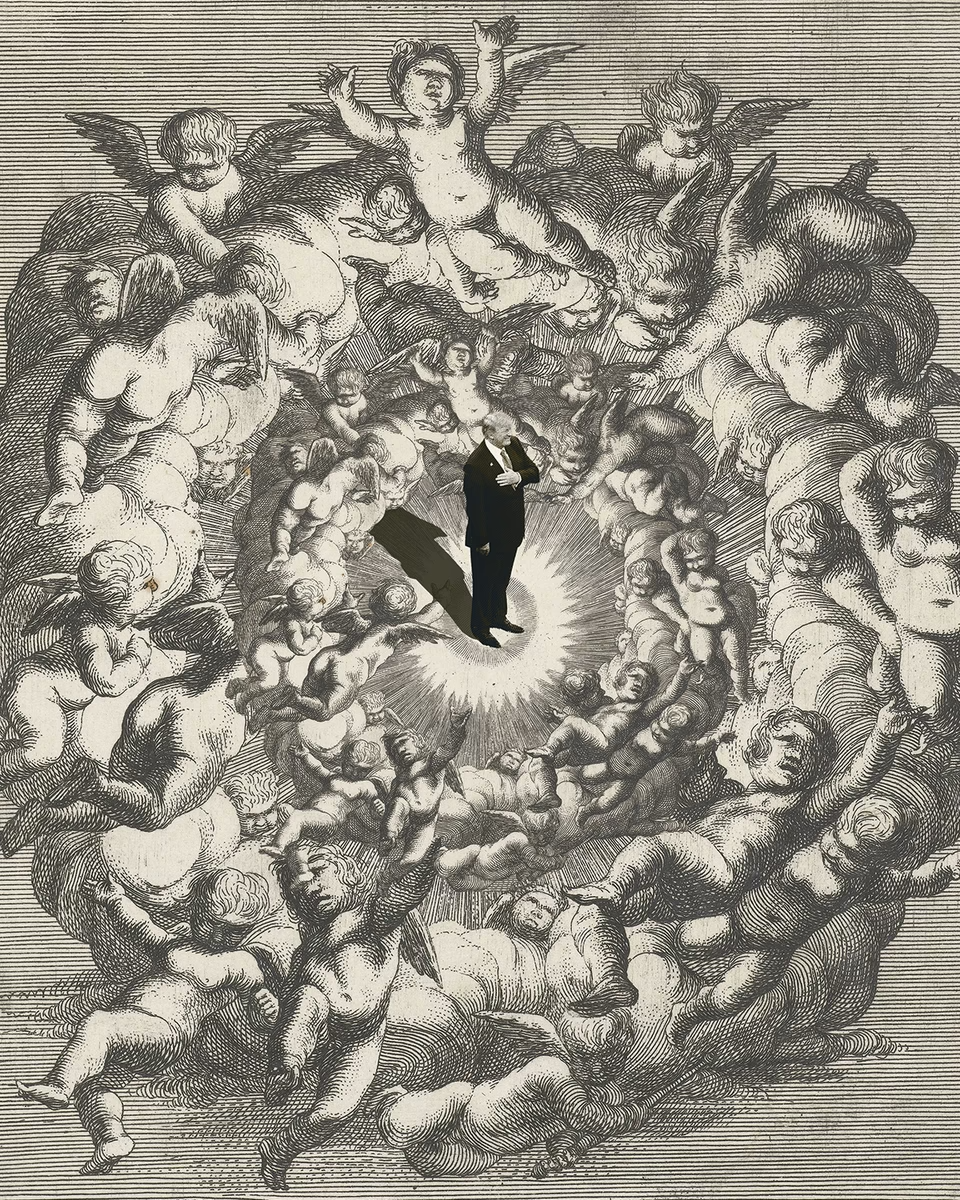
Historians, sociologists, anthropologists, and religious studies scholars have been tracking the transformations in evangelical Christianity for decades. However, many Americans seem to be unaware of the radical changes in contemporary Christian theology and politics. The concept of an Army of God draws simultaneously on old crusading discourses and new theological arguments for total Christian engagement in political and social change.
McCrummen explains that “I came to understand how the movement amounts to a sprawling political machine. The apostles and prophets, speaking for God, decide which candidates and policies advance the Kingdom. The movement’s prayer networks and newsletters amount to voter lists and voter guides. A growing ecosystem of podcasts and streaming shows such as FlashPoint amounts to a Kingdom media empire. And the overall vision of the movement means that people are not engaged just during election years but, like the people at Gateway House of Prayer, 24/7.”
The notions of prophesy, reformation, and an Army of God reminds us of the force of the historical Reformation movements that split Latin Christendom and produced the European Wars of Religion of the sixteenth and seventeenth centuries. Those conflicts produced religious transformations and confessional politics that continue to shape modern religious politics in many ways. My upper-division undergraduate and graduate course on HIST 414 European Wars of Religion addresses these historical contexts.
Stephanie McCrummen’s article on “The Army of God Comes Out of the Shadows” is published in The Atlantic (9 January 2025).
This article will make a nice addition to the readings on contemporary religious politics and violence in my HIST 610 Graduate Reading Seminar on Religious Violence.


 Brian Sandberg: Historical Perspectives