
Brazil and the United States have both experienced recent coups d’état by their presidents, Jair Bolsonaro and Donald J. Trump.
The justice system of Brazil has successfully confronted Bolsonaro by charging him with coup d’état, while the U.S. justice system failed miserably to charge and prosecute Trump for election denial and insurrection.
Quico Toro assesses the similarities and differences in the cases of the coups d’état in Brazil and the United States in an article in The Atlantic.
“For years now, politics in Brazil have been the fun-house-mirror version of those in the United States. The dynamic was never plainer than it became last week, when Brazilian prosecutors formally charged the far-right former President Jair Bolsonaro, along with 33 co-conspirators, with crimes connected to a sprawling plan to overthrow the nation’s democracy and hang on to power after losing an election in October of 2022,” Toro writes.
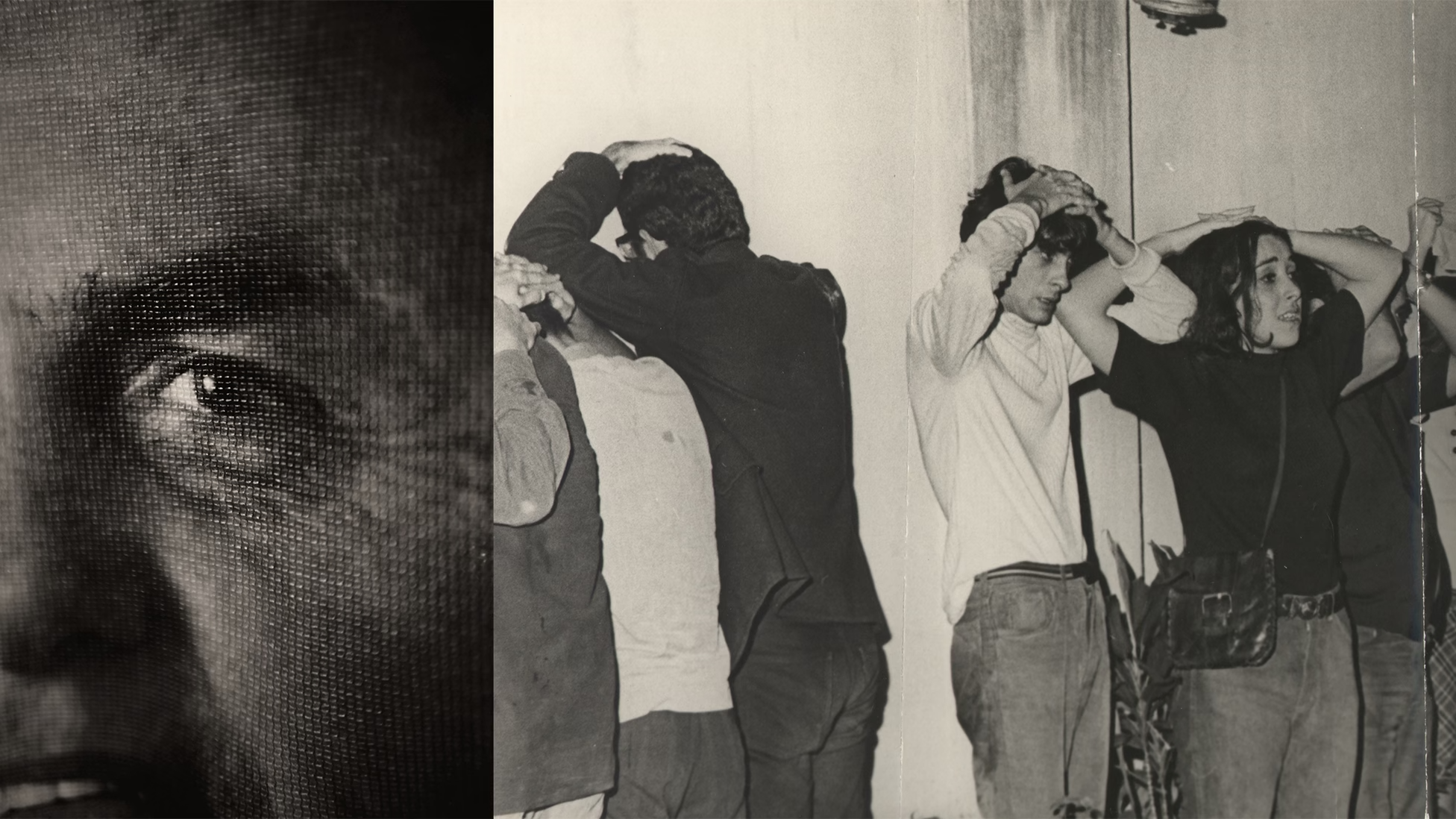
“That the charges against Bolsonaro sound familiar to Americans is no coincidence. Bolsonaro consulted with figures in Donald Trump’s orbit in pursuit of his election-denial strategy. But the indictment against Bolsonaro suggests that the Brazilian leader went much further than Trump did, allegedly bringing high-ranking military officers into a coup plot and signing off on a plan to have prominent political opponents murdered,” according to Toro.
“Fewer than seven months after the attempted coup, Brazil’s Supreme Electoral Court ruled Bolsonaro ineligible to stand for office again until 2030. Interestingly, that decision wasn’t even handed down as a consequence of the attempted coup itself, but of Bolsonaro’s abuse of official acts to promote himself as a candidate, as well as his insistence on casting doubt, without evidence, on the fairness of the election.”
Toro laments: “I can’t help but wish that U.S. jurists had shown the nerve of their Brazilian counterparts. In their charging documents against Bolsonaro, Brazil’s prosecutors don’t mumble technicalities: They charge him with attempting a coup d’état, which is what he did.”
Toro points out the ineptness of Justices of the U.S. Supreme Court to bar Trump from the ballot. He points out the slow procedural response by Attorney General Merrick Garland and the Department of Justice, who failed to bring prosecutions and instead eventually established a Special Prosecutor. Toro emphasizes the failures of the U.S. Special Counsel Jack Smith in bringing charges decisively.
“Contrast that [the prosecution in Brazil] with the proceduralism at the core of the case against President Trump. After an interminable delay that ultimately rendered the entire exercise moot, Special Counsel Jack Smith charged Trump not for trying to overthrow the government but for ‘conspiring to obstruct the official proceeding’ (that would lead him to lose power) as well as ‘conspiring to defraud the United States’—a crime so abstract that only a constitutional lawyer knows what it actually means.”
The U.S. Department of Justice rightly prosecuted low-level participants in the Storming of the U.S. Capitol on 6 January 2021 for violent assaults and seditious conspiracy. This could have been an effective prosecutorial strategy had these prosecutions been built like anti-mafia prosecutions, leading to “foot soldiers” testifying against the mafia bosses of the conspiracy, but the Department of Justice took much too long to prosecute thousands of low-level participants without ever bringing charges against President Trump and his advisors who participated in the seditious conspiracy and instigated the coup d’état.
Now a newly reinstalled President Trump has pardoned or commuted sentences of all of his supporters who participated in the Storming of the U.S. Capitol, including members of the Proud Boys, Oath Keepers, and other militas who assaulted police officers and conspired to kill then Vice President Pence and Congressional representatives.
President Trump’s pardons have re-created and expanded a violent and seditious paramilitary force deeply loyal to him and willing to use coercion and intimidation to support his policies. Enrique Tarrio, a prominent leader of the Proud Boys, and the so-called Seditious 5 held a menacing rally with other pardoned insurrectionists in front of the U.S. Capitol on Friday.

“‘Whose house?’ Tarrio asked, turning toward the U.S. Capitol. ‘Our house!’ they bellowed,” according to The Washington Post.
“The event, an opportunity for Tarrio and other far-right leaders to amplify their telling of the attack, reflected a stunning reversal of fortunes for nearly 1,600 Capitol riot defendants and far-right leaders granted clemency. The men once firmly seen as fringe figures felt vindicated — even celebrated — in the city that once jailed and prosecuted them.”
Proud Boys have attended meetings of the Conservative Political Action Conference (CPAC) and have also openly harassed U.S. Capitol police officers this weekend.
The Washington Post emphasizes that “As Trump has sought to recast the official public narrative about one of the most divisive chapters of recent U.S. history, some of those involved have benefited from their elevated profiles, converting the embrace of his MAGA base into public appearances and podcast interviews while openly mulling government jobs or running for elected office.”
Tarrio bragged about his newfound power: “‘The Boys are back in town,’ Tarrio, who was convicted of seditious conspiracy, posted to X, alongside a photo of him with three of his co-defendants. ‘The Seditious 5 rides again!'”
The Washington Post reports: “‘It feels defiant,’ Tarrio said, in an interview, about returning to Washington. ‘Those three years that were taken from me unjustly were so f—ing worth it. The size of the bullhorn that was given to me is … huge.”
Tarrio and Trump are both emboldened and dangerous.
Why did the U.S. Department of Justice fail so spectacularly to prosecute President Trump’s coup d’état?
Toro offers this explanation: “the biggest difference is that dictatorship is a much more real menace in Brazil, a country that democratized only in the 1980s, than it is in a country that’s never experienced it. Older Brazilians carry the scars, in many cases literal ones, of their fight against dictatorship. This fight for them is visceral in a way it isn’t—yet—for Americans.”
“Brazil has demonstrated how democracies that value themselves defend themselves. America could have done the same.”
Toro, Quico. “Brazil Stood Up for Its Democracy. Why Didn’t the U.S.?” The Atlantic (23 February 2025.
The Washington Post reports on Enrico Tarrio and the so-called Seditious 5.


 Brian Sandberg: Historical Perspectives