
The massive layoffs and disruptions in federal agencies carried out by Elon Musk’s so-called DOGE team and the broader Trump administration have eliminated thousands of summer internships positions for young Americans.
“The Trump administration’s sweeping cuts have pushed many lifetime civil servants out of their roles. They have also disrupted people at the other end of the career spectrum: summer interns, those energetic new arrivals who count on internships to serve as the on-ramp to their professional lives. (Some, but not all, are paid for their efforts),” according to The New York Times.
“Young people who hustled for competitive internships and research positions said they felt dejected when those offers were taken back. Their optimism gave way to a stressful scramble to find other roles or sources of income on short notice. Several second-guessed whether they really wanted to enter fields that seemed to be crumbling before their eyes. …”
The New York Times reports that “Summer roles have been rescinded from students who were offered positions supported by U.S.A.I.D., the National Institutes of Health, the Department of State, and the National Oceanic and Atmospheric Administration, among other agencies.”
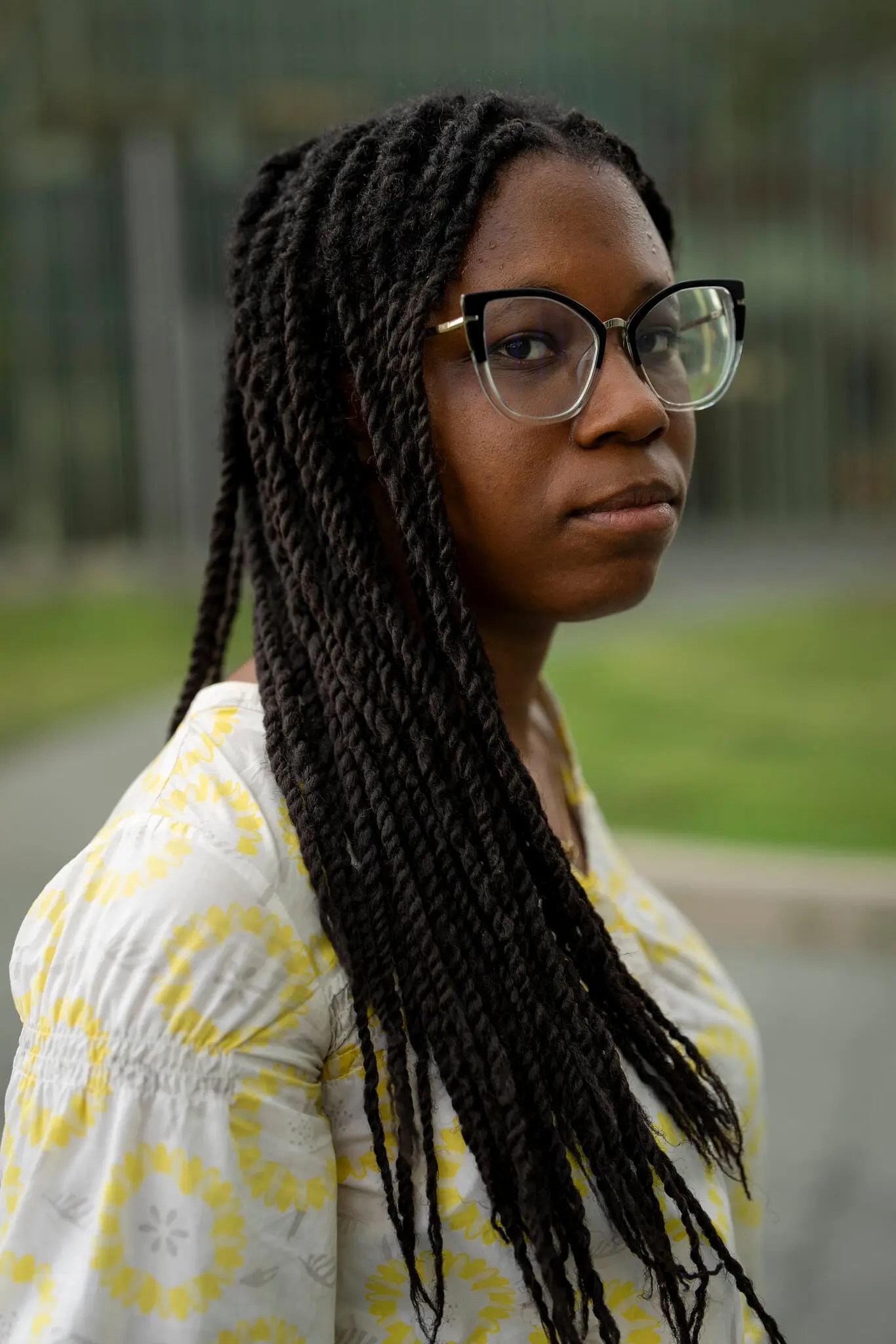
“Mr. Trump has also slashed medical research funding, affecting research programs for students studying science. Marlene McKinney, 20, an aspiring neurosurgeon at the City College of New York, had planned to spend her summer in a lab in Manhattan, studying the thermodynamic properties of elastic tissue proteins,” The New York Times reports.
“Her work had been funded through the U-RISE program, which provides financial support and mentorship to students from underrepresented backgrounds conducting biomedical research. In late March, Ms. McKinney found out that the grant, which received N.I.H. funding, was being suspended.
“She began furiously searching for part-time jobs. ‘I was like, ‘Oh, great, I can’t work at the lab anymore,’ she said. ‘How am I going to pay my rent?’”
This is a tragic loss for Marlene McKinney and for other young scientific researchers like her. The United States stands to lose an entire generation of young scientific and medical researchers who decide to abandon research careers or to move abroad to pursue them.
Young citizens who intended to pursue summer internships in other fields may be discouraged from pursuing careers in the federal government and the public sector, a loss for the nation.
Many undergraduate and graduate students in history and the humanities serve as interns with federal agencies, state institutions, and local governments. Public historians work in the National Archives, Library of Congress, Department of State, Department of Education, National Parks Service, Smithsonian Institute museums, military museums, military academies, state museums, state agencies, regional museums, municipal museums, historical societies, humanities councils, and many other agencies. Indeed, many of my former history students work as public historians at the federal, state, and local levels.
The National Council of Public History provides a description of public history: “Public historians come in all shapes and sizes. They call themselves historical consultants, museum professionals, government historians, archivists, oral historians, cultural resource managers, curators, film and media producers, historical interpreters, historic preservationists, policy advisers, local historians, and community activists, among many many other job descriptions. All share an interest and commitment to making history relevant and useful in the public sphere.”


 Brian Sandberg: Historical Perspectives