NEH Summer Seminar on Reformation Printing

The Ohio State University will be hosting a NEH Summer Seminar on Printing and the Book during the Reformation: 1450-1650, during Summer 2022.

This seminar is a great opportunity for university professors and independent researchers interested in the Reformation, print culture, history of the book, and early modern European history.

Here is the announcement from the National Endowment for the Humanities:

NEH Summer Seminar for College and University Teachers 

Printing and the Book During the Reformation: 1450-1650 

Please consider applying to the forthcoming National Endowment for the Humanities Summer Seminar for College and University Teachers on “Printing and the Book During the Reformation: 1450-1650.” The seminar will examine continuity and change in the production, dissemination, and reading of Western European books during the 200 years following the advent of printing with movable type. Seminar participants will consider the governing question of whether the advent of printing was a necessary precondition for the Protestant Reformation, and ways in which elements such as book layout, typography, illustration, and paratext (e.g., prefaces, glosses, and commentaries) shaped the responses of readers. Employing key methods of the History of the Book and the History of Reading, our investigation will consider how the physical nature of books affected ways in which readers understood and assimilated their intellectual contents. This program is geared to meet the needs of teacher-scholars interested in the literary, political, or cultural history of the Renaissance and/or Reformation, the History of the Book, the History of Reading, art history, women’s studies, religious studies, bibliography, print culture, library science (including rare book librarians), mass communication, literacy studies, and more. 

This seminar will meet from 4 – 30 July 2022 at The Ohio State University in Columbus, OH. The Rare Books and Manuscripts Library at OSU preserves more than 3,500 books printed before 1650, with exceptional strengths in the British and Western European Reformations and early printing (including one hundred books printed before 1500). Named collections include the Harold J. Grimm Reformation Collection (which includes, among other treasures, more than 120 Luther sermons and treatises in Latin or German printed during his lifetime), the John Foxe and John Day collections (both among the finest in North America), and the James Stevens-Cox STC-sigla collection (mostly religious books so rare that the editors of the Short-title catalogue listed this as a named private collection).

Those eligible to apply include citizens of USA who are engaged in teaching at the college or university level and independent scholars who have received the terminal degree in their field (usually the Ph.D.). In addition, non-US citizens who have taught and lived in the USA for at least three years prior to March 2022 are eligible to apply. NEH will provide participants with a stipend of $3,450. Up to three spaces will be reserved for non tenure-track faculty. 

Full details and application information are available at https://sites.lib.jmu.edu/nehprinting-book-reformation2022/. For further information, please contact NEHreformatitonbooks2022@jmu.eduThe deadline for application is March 1, 2022. 

Posted in Cultural History, Early Modern Europe, Early Modern World, European History, History of the Book, Information Management, Intellectual History, Lectures and Seminars, Material Culture, Rare Books and Pamphlets, Reformation History, Religious History | Leave a comment

Chicago Surpasses 800 Homicides in 2021

The city of Chicago passed a tragic milestone recently, as the 800th person this year was killed.

According to WBEZ, “Chicago already has more than 800 homicide deaths in 2021, the most violent year in a quarter century, according to autopsy records from the Cook County medical examiner’s office. … The homicides, most carried out with guns, began to surge in the spring of 2020 after the pandemic’s arrival. The violence intensified after George Floyd’s killing by Minneapolis police. And it has not let up.”

The vast majority of the homicides in Chicago result from episodes of gun violence. Chicago’s trends in gun violence are not unique. Other cities in the United States have experienced a similar pattern of rising gun violence and homicide rates over the past two years.

The level of gun violence in the United States corresponds to levels of violence in many civil conflicts. Some scholars working on civil warfare have begun to assess violence within the United States through the lens of civil civil conflict. More on that in another post….

WBEZ reports on the current violence in Chicago.

Posted in Arms Control, Civil Conflict, History of Violence, Illinois History and Society, United States History and Society, Urban History | Leave a comment

Is the United States Close to Civil War?

Dana Milbank explores this provocative question in an op-ed in the Washington Post.

The op-ed focuses on political science methods for considering how civil wars start: “Barbara F. Walter, a political science professor at the University of California at San Diego, serves on a CIA advisory panel called the Political Instability Task Force that monitors countries around the world and predicts which of them are most at risk of deteriorating into violence. By law, the task force can’t assess what’s happening within the United States, but Walter, a longtime friend who has spent her career studying conflicts in Syria, Lebanon, Northern Ireland, Sri Lanka, the Philippines, Rwanda, Angola, Nicaragua and elsewhere, applied the predictive techniques herself to this country.”

Storming of the U.S. Capitol, 6 January 2021.

After assessing the risk factors for the outbreak of civil warfare in the United States, Walter concludes that “we are closer to civil war than any of us would like to believe.”

Milbank discusses Walter’s findings: “She lays out the argument in detail in her must-read book, How Civil Wars Start, out in January. ‘No one wants to believe that their beloved democracy is in decline, or headed toward war,’ she writes. But, ‘if you were an analyst in a foreign country looking at events in America — the same way you’d look at events in Ukraine or the Ivory Coast or Venezuela — you would go down a checklist, assessing each of the conditions that make civil war likely. And what you would find is that the United States, a democracy founded more than two centuries ago, has entered very dangerous territory.'”

Dana Milbank’s op-ed is published on the Washington Post website.

Honors students at Northern Illinois who took my Honors Seminar, HIST 399 Communal Strife: Civil Wars in World History, will be interested in this op-ed and Barbara F. Walter’s forthcoming book.

Posted in Civil Conflict, Crowd Studies, History in the Media, History of Violence, Political Activism and Protest Culture, Political Culture, Revolts and Revolutions, State Development Theory, United States History and Society, War, Culture, and Society | Leave a comment

Education Specialist Position at the LBJ Presidential Library

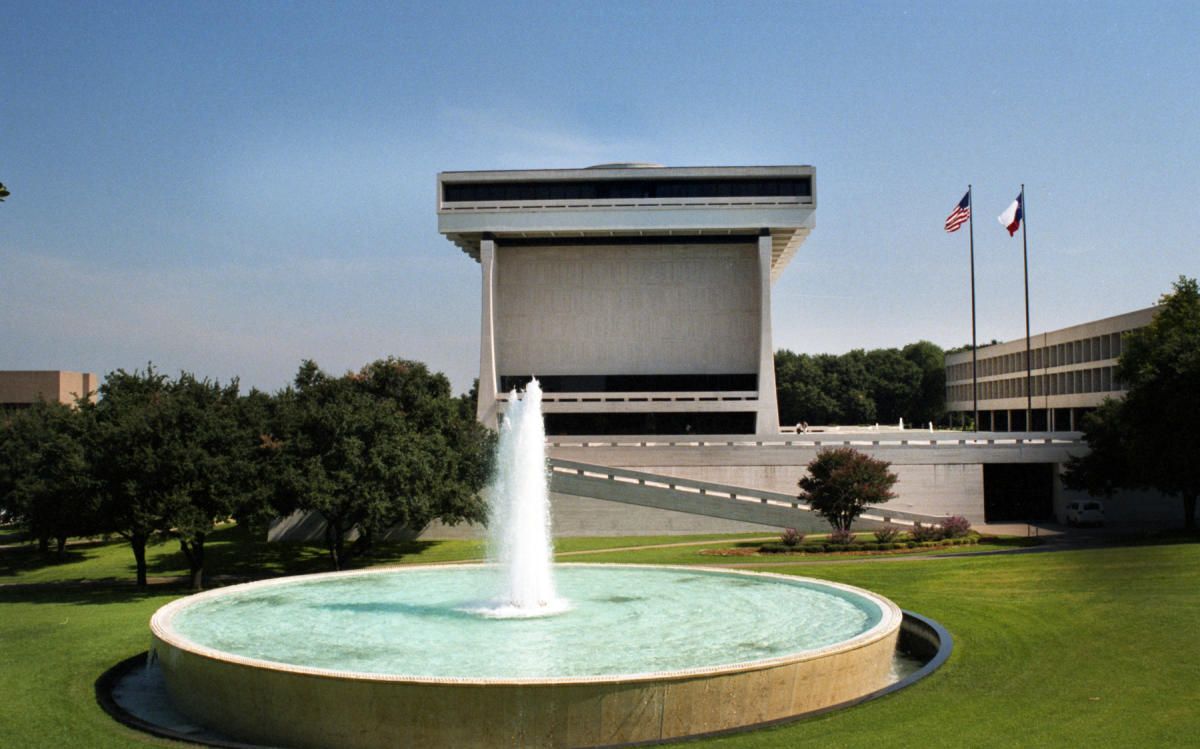
The National Archives and Records Administration is currently hiring an Education Specialist at the Lyndon Baines Johnson Presidential Library in Austin, Texas.

The NARA announcement indicates: “NARA has an open position for an Education Specialist at the Lyndon B. Johnson Presidential Library in Austin, TX. In this position, you will manage a variety of education programs. You will develop plans, policies, and procedures that will guide, govern, and promote activities. You will also develop and implement programs (conferences, seminars, workshops, etc.) for primary and secondary school groups visiting the facility from public, private, and home schools in Texas and nationwide.”

See the full job description at the USAJobs website.

Graduates of Northern Illinois University’s MA program in Public History or its PhD program in History may be interested applying for this position.

Posted in Archival Research, Jobs and Positions, Museums and Historical Memory, The Past Alive: Teaching History, United States History and Society | Leave a comment

Historian Position in Naval History

The Naval History and Heritage Command in Washington, D.C., is currently conducting a search for a Historian to conduct research and writing in naval history.

This is a one-year (temporary) position that could provide great experience to a recent M.A. graduate or Ph.D. candidate in History.

The short job announcement reads: “The Histories Branch of Naval History & Heritage Command invites qualified candidates to apply for a 12-month Historian appointment at the GS-12 level beginning in January/February 2022. This position is located in Histories Branch’s Public History & Education Section. Applications will be accepted via USAJOBS until 11:59pm on 13 December.”

The full job description is available on USAJobs.

Any current or former graduate students in History at Northern Illinois University who are interested in applying to this or other positions should contact their professors for assistance with their job search.

Posted in Archival Research, Careers in History, Graduate Work in History, History of Violence, Maritime History, Strategy and International Politics, United States History and Society, War, Culture, and Society | Leave a comment

On White Power in America

In the aftermath of the Storming of the U.S. Capitol on 6 January 2021, historians of Whiteness and race relations in the United States have been working hard to interpret the violence of the Stop the Steal activists and broader neo-fascist militias that attacked the U.S. Congress.

Kathleen Belew, Professor of History at the University of Chicago, has been one of the most important scholars to consider the insurrection through an in-depth historical perspective.

Belew’s Bring the War Home: The White Power Movement and Paramilitary America (2018) is a key study of the diverse neo-Nazi and White Supremacist groups active in the United States since the Vietnam War. The book description on Harvard University Press’s website includes links to many of Belew’s media appearances.

When Northern Illinois University students in my course, HIST 399 Communal Strife: Civil Wars in Comparative Perspective, ask about the Storming of the U.S. Capitol, I point them to Kathleen Belew’s book, articles, and media interviews.

Belew recently appeared on the Ezra Klein Show. A podcast interview is available on The New York Times website. A New Yorker article features Kathleen Belew’s work.

Posted in Civil Conflict, History in the Media, History of Race and Racism, History of Violence, Political Culture, United States History and Society | Leave a comment

Teaching Assistant Program in France

The Teaching Assistant Program in France is currently hiring teaching assistants to teach English in elementary and secondary schools in France during the 2022-2023 academic year.

The program’s website indicates that: “The Teaching Assistant Program in France (TAPIF) is the American cohort of the Programme des Assistants de langue en France, a program of France Éducation international. The recruiting and promotion of this program is managed by the Cultural Services of the French Embassy in the United States.The program’s goal is to strengthen English-language instruction in French schools by establishing a native speaker presence, while also providing American Francophiles with excellent teaching experience and first-hand knowledge of French language and culture.”

According to the TAPIF, “the program’s goal is to strengthen foreign-language instruction in French schools by establishing a native speaker presence, while also providing young educators around the world with initial international teaching experience and first-hand knowledge of French language and culture.”

These positions are great opportunities for students and recent graduates wishing to have a work abroad experience. Northern Illinois undergraduate students and recent graduates who are interested should contact me via email to discuss the applications process.

Posted in Francophonie, French History, Humanities Education, Jobs and Positions, Undergraduate Work in History | Leave a comment

Chateaubriand Fellowships

The call for applications is now open for the Chateaubriand Fellowships for doctoral research in France during the 2022-2023 academic year.

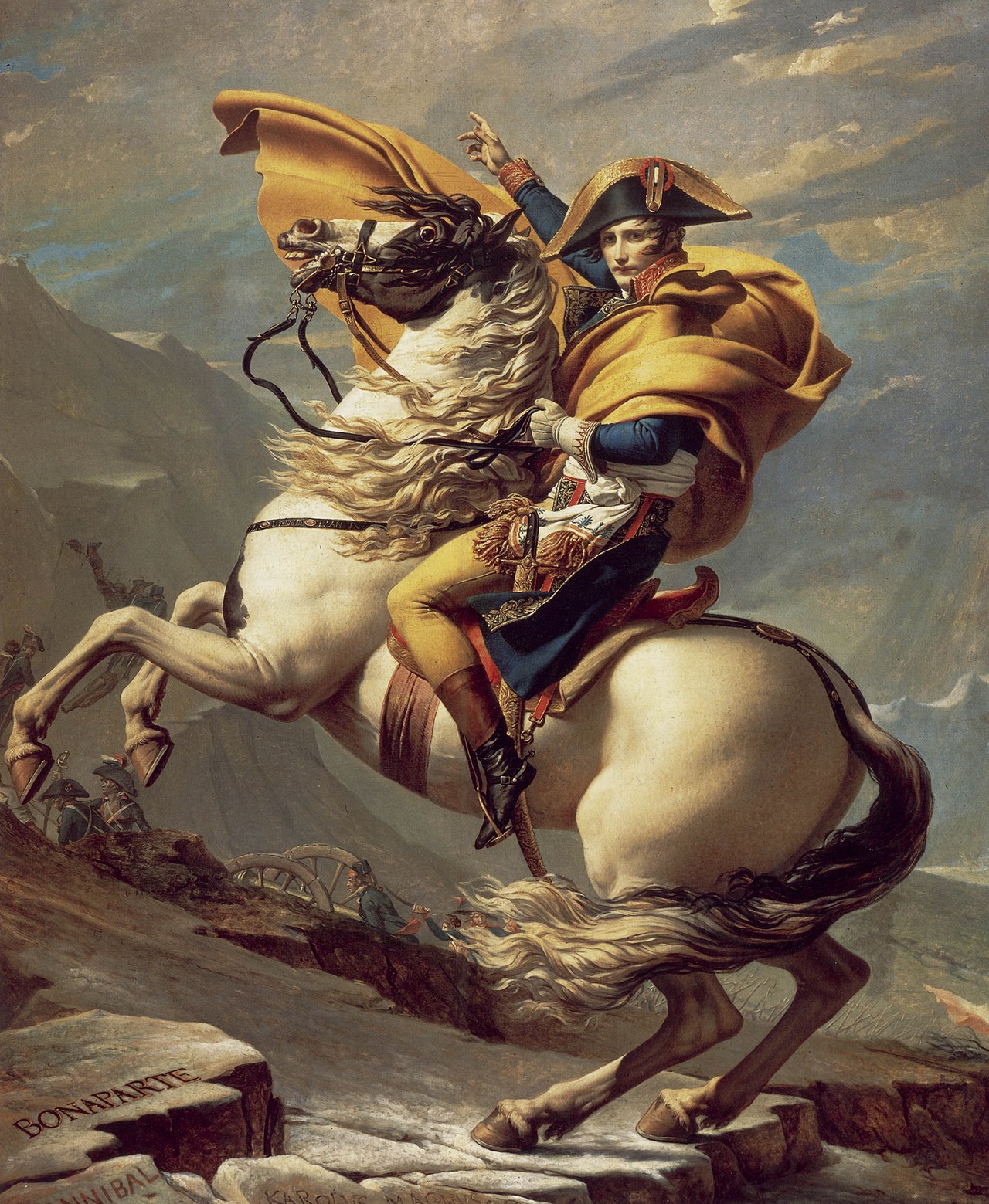
The Chateaubriand Fellowship Program presents the fellowships: “The Chateaubriand Fellowship is a grant offered by the Embassy of France in the United States. It supports outstanding PhD students from U.S. institutions who wish to conduct part of their doctoral research in France for a period ranging from 4 to 8/9 months. Chateaubriand fellows are selected through a merit-based competition, with expert evaluation in France and in the United States.”

Chateaubriand Fellowships are available in many fields of study. Here is the description of the Humanities and Social Science competition:

“The Chateaubriand Fellowship in Humanities and Social Sciences (HSS) is offered by the Cultural Services of the French Embassy. The HSS program targets outstanding PhD students enrolled in U.S. institutions who seek to engage in research in France in any discipline of the Humanities and Social Sciences. The HSS Chateaubriand program is supported by Campus France which provides assistance to fellows on site.”

The application deadline is 14 January 2022.

For more information, see the Chateaubriand Fellowship Program website.

Previous doctoral students in History at Northern Illinois University have held Chateaubriand Fellowships to conduct doctoral research in France. The Department of History at Northern Illinois University has strengths in French history, European history, and early modern world history.

Current doctoral students studying early modern France may contact me via email at Northern Illinois University for advice on applying for a Chateaubriand Fellowship and conducting archival research in France.

Posted in Archival Research, Early Modern Europe, Early Modern France, European History, Francophonie, French Empire, French History, French Revolution and Napoleon, French Wars of Religion, Graduate Work in History, Grants and Fellowships, Languedoc and Southern France, Paris History | Leave a comment

Reflecting on School Shootings

The horrific violence at Oxford High School in Oxford, Michigan, has forced many teachers and professors to reflect once again on the seemingly endless pattern of school shootings in the United States.

Northern Illinois University suffered its moment of infamy on Valentine’s Day 2008, when a former student entered a classroom in Cole Hall and opened fire on students in the auditorium. Five students were killed and twenty-one wounded in a five-minute rampage before the shooter committed suicide. Yet, NIU’s shooting quickly disappeared from the headlines, displaced by other on-campus shootings with more victims.

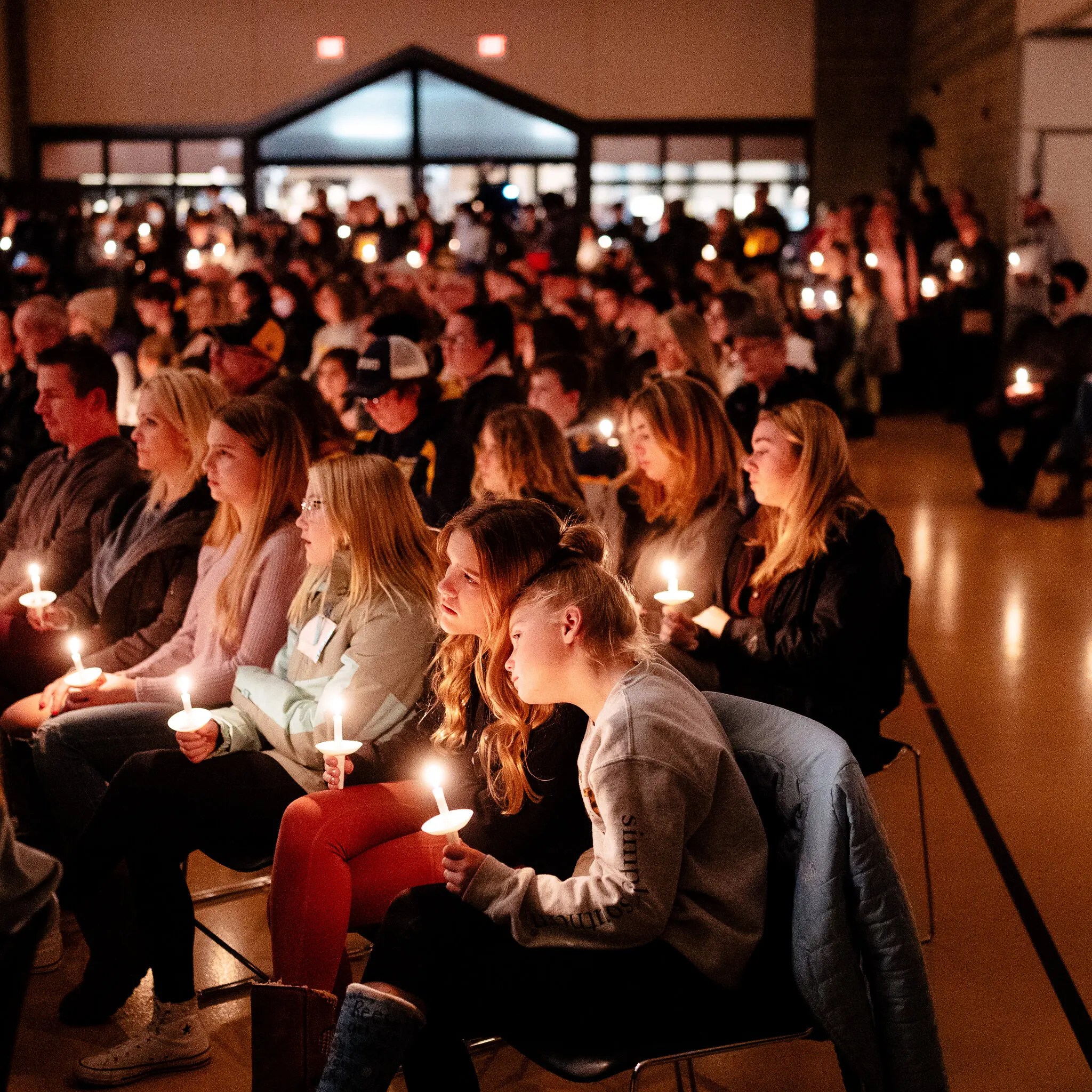
The Oxford High School shooting brought back a flood of memories of the shooting at NIU and its aftermath: sirens wailing, helicopters circling overhead, students and professors in lockdown, a cordoned off crime scene, dazed onlookers, candlelight vigils, and comfort dogs.

Vigil for victims of the school shooting at Oxford High School, 2021. Photo: The New York Times.

Sarah Lerner, a teacher at Marjory Stoneman Douglas High School in Parkland, Florida, is grappling with similar memories this week. Marjory Stoneman Douglas High School is the site of a notorious mass shooting rampage in 2018, one of the most deadly school shootings in the history of the United States.

Lerner has published an opinion essay on “Will My Students Ever Know a World Without School Shootings?” in The New York Times, raising critical questions about firearms in American society and the ways in which they threaten public safety and education. She writes: “After 20 years of teaching, I’m unclear about how teachers are supposed to continue teaching when so much more is being asked of us, often without training or the proper resources. We are expected to be mental health counselors, social workers, psychologists, security guards and so much more for our students. Just look more closely at what happened at Oxford High School.”

High school teachers and college professors across the United States are confronted with increasing challenges in teaching and mentoring students who are dealing with a public safety crisis and a pandemic simultaneously.

Many History students at Northern Illinois University aspire to be high school teachers, community college instructors, or college professors. Many of them serve as teaching assistants at regional high schools in order to attain their teacher licenses. Tragically, these young historians are having to confront the specter of school shootings, even as they learn the art of teaching.

Lerner concludes that “There is only so much that teachers can do in acting as a line of defense for their students.”

Sarah Lerner’s opinion essay, “Will My Students Ever Know a World Without School Shootings?” is published in The New York Times.

Posted in Atrocities, Education Policy, History of Violence, Humanities Education, Illinois History and Society, United States History and Society | Leave a comment

Refugees File Lawsuit against Facebook over Genocide

Rohingya refugees recently filed a class-action lawsuit against Meta, the parent company of Facebook, alleging that the social media company has assisted in perpetrating genocidal violence against the Rohingya in Myanmar.

The Washington Post reports that “Facebook failed to quickly stop the spread of hate speech and misinformation against the Rohingya people, in turn contributing to the persecution and alleged genocide of the minority community in Myanmar, according to a lawsuit filed Monday in a California court that asks for more than $150 billion in compensation.”

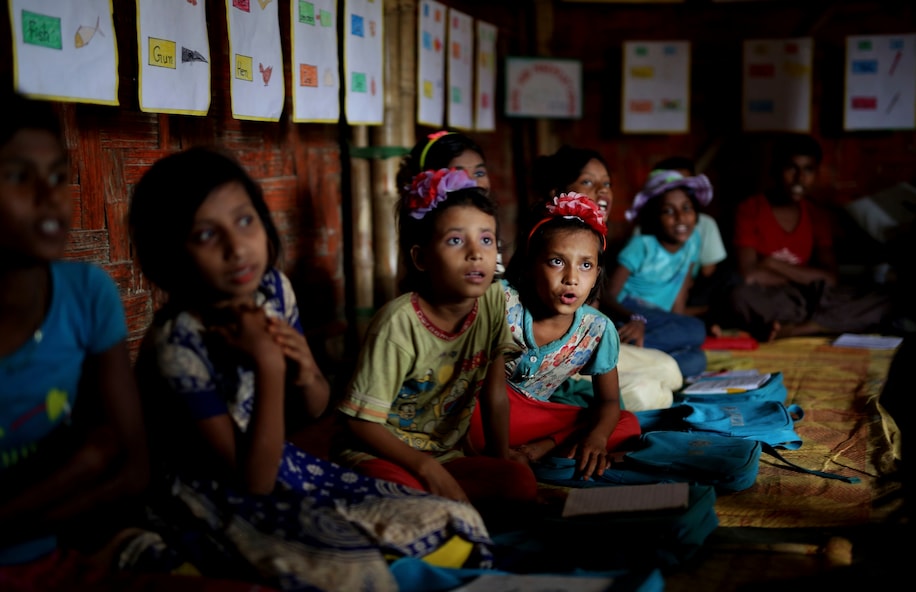
Rohingya refugees. Photo: Washington Post.

“The class-action lawsuit against Meta, Facebook’s parent company, was brought by a Rohingya woman in Illinois on behalf of the 10,000-plus Rohingya refugees who have resettled in the United States since 2012. It alleges that Facebook’s algorithm amplified hate speech and that it neglected to remove inflammatory content despite repeated warnings that such posts could foment ethnic violence.”

At least 1,000 Rohingya refugees have settled in the Chicago area. The Rohingya Culture Center of Chicago provides important resources for the Rohingya refugee community in Illinois. The Center’s website describes the plight of Rohingya refugees: “The United Nations lists the Rohingya Muslims of northwestern Burma (Myanmar) among the most persecuted people in the world. Burma’s 1982 Citizenship Law denied the ethnic minority Muslim group legal status, rendering them stateless, and denying them the right education, work, and travel. Since then, many of the Rohingya have been displaced by ethnic violence and have been forced to flee the persecution.The Rohingya Cultural Center was established in 2016, in Chicago’s West Ridge/West Rogers Park neighborhood, to serve the needs of the growing Rohingya refugee community. As many as 1000 Rohingya have been resettled in the Chicago since 2010.”

Northern Illinois University students taking HIST 399 Communal Strife: Civil Wars in Comparative Perspective, HIST 384 History of War since 1500, and various courses in Southeast Asian History will be interested in tracking this lawsuit.

NIU’s Center for Southeast Asian Studies promotes research, teaching, and engagement in Southeast Asian studies and regularly offers lectures and workshops on Southeast Asian history and culture. Professors and graduate students affiliated with the Center continue to follow the political situation in Myanmar closely.

The Washington Post reports on the Rohingya lawsuit against Facebook.

Posted in Atrocities, Civilians and Refugees in War, History of Race and Racism, History of Violence, Human Rights, Laws of War, War, Culture, and Society, Women and Gender History | Leave a comment