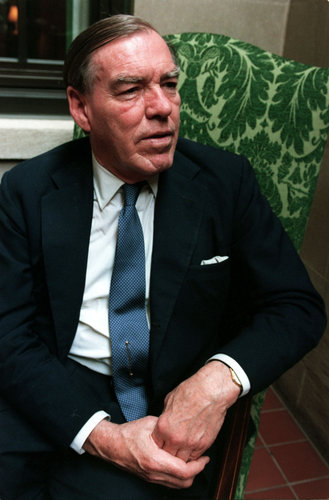
Mack Holt Webinar on “Confessional Violence in Early Modern France”

This week, Mack Holt, Professor of History at George Mason University, will lead a webinar on “Confessional Violence in Early Modern France” for H-France Salon.

The webinar is directed at graduate students, especially doctoral students researching the history of the Reformations and the European Wars of Religion.

Holt’s webinar will be held on 4 October 2012 at 4 p.m. Eastern Standard Time.

Mack Holt is a leading historian of the French Wars of Religion and a great colleague in the field of early modern French studies.  I would strongly encourage any graduate students interested in issues of religious violence to participate in this webinar.

Posted in Conferences, Digital Humanities, Early Modern Europe, European History, French History, French Wars of Religion, History of Violence, Reformation History, Religious Violence, Warfare in the Early Modern World | Leave a comment

Symposium on English and Dutch in the Early Modern World

The Center for Renaissance Studies at the Newberry Library in Chicago is holding a Symposium on English and Dutch in the Early Modern World.

The symposium will be held on Friday, October 19, 2012, 9 am – 3 pm, in the Towner Fellows Lounge of the Newberry Library.

Allison Games, Professor of History at Georgetown University will give the keynote address.

Graduate students in early modern history at Northern Illinois University are encouraged to attend this symposium.

Posted in Conferences, Early Modern Europe, Early Modern World, European History, European Wars of Religion, Reformation History | Leave a comment

Lee Palmer Wandel Lecture at the Newberry Library

The Center for Renaissance Studies at the Newberry Library in Chicago hosts an annual Lecture in Early Modern History.

This year’s lecture is being delivered by Lee Palmer Wandel, Professor of History at the University of Wisconsin at Madison, on “Telling the Story: The Encounter and the Reformation.”

The lecture will be given on 12 October 2012 at 2pm at the Newberry Library.

Graduate students at Northern Illinois University are encouraged to attend.


Posted in Early Modern Europe, Early Modern World, European History, European Wars of Religion, Reformation History | Leave a comment

Mack Holt Webinar on “Confessional Violence in Early Modern France”

Mack Holt, Professor of History at George Mason University, will lead an upcoming webinar on “Confessional Violence in Early Modern France” for H-France Salon.

The webinar is directed at graduate students, especially doctoral students researching the history of the Reformations and the European Wars of Religion.

Holt’s webinar will be held on 4 October 2012 at 4 p.m. Eastern Standard Time.

Mack Holt is a leading historian of the French Wars of Religion and a great colleague in the field of early modern French studies.  I would strongly encourage any graduate students interested in issues of religious violence to participate in this webinar.


Posted in Conferences, Digital Humanities, Early Modern Europe, European History, French History, French Wars of Religion, History of Violence, Reformation History, Religious Violence, Warfare in the Early Modern World | Leave a comment

Warrior Pursuits in Libraries around the World

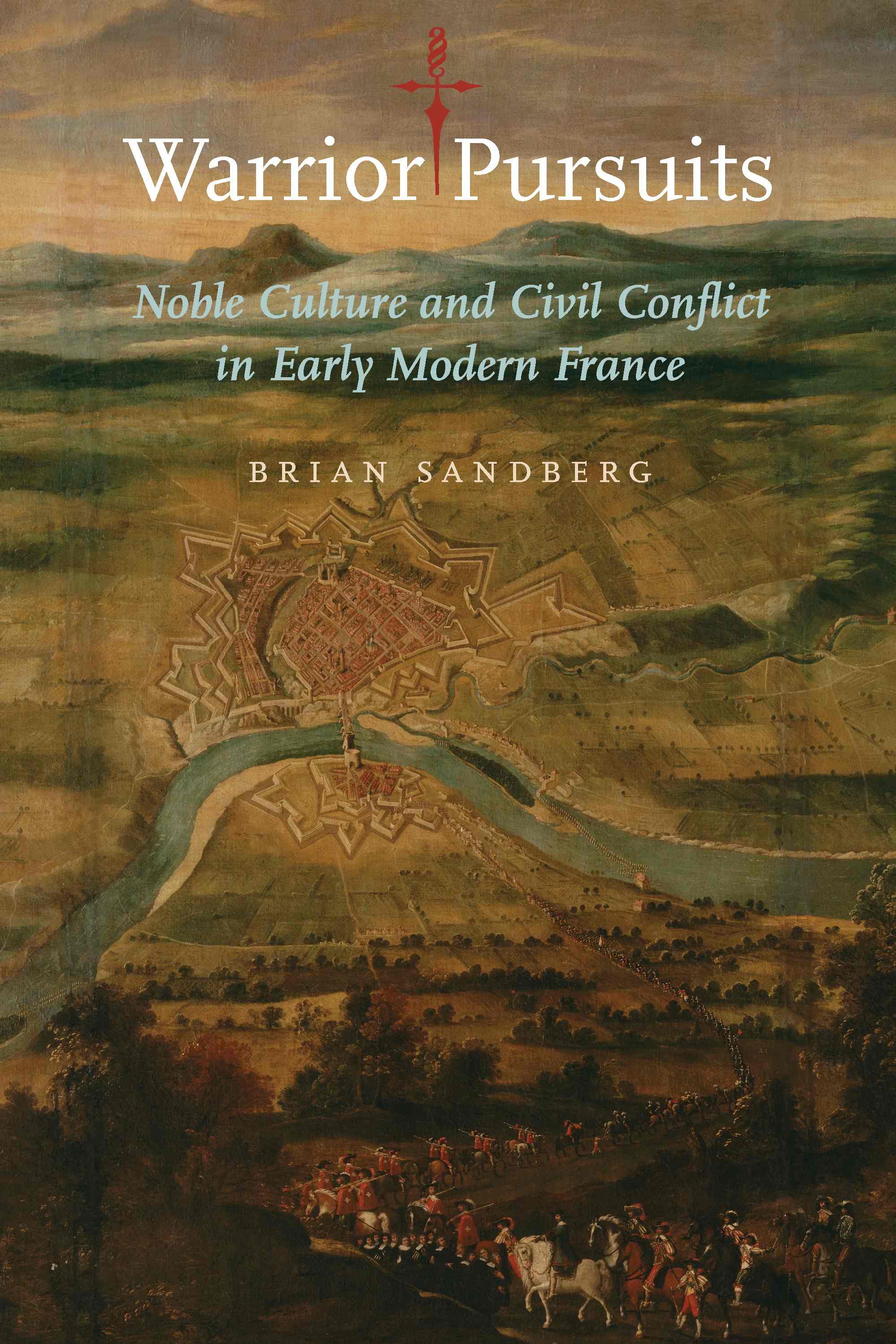
Warrior Pursuits: Noble Culture and Civil Conflict in Early Modern France (Baltimore, MD: Johns Hopkins University Press, 2010) is now available in more than 200 academic and research libraries around the world.

WorldCat is one of the best online databases for accessing library collections worldwide. The WorldCat listing for Warrior Pursuits shows 201 libraries holding the title as of September 2012.

Graduate students in History at Northern Illinois University may be interested in tracking the dissemination of major works in their research fields using WorldCat. They can also learn about the relative advantages and disadvantages of publishing with different presses by tracking the number of library adoptions for books in their fields.

Posted in Academic Publishing, Current Research, Early Modern Europe, Noble Culture and History of Elites, War, Culture, and Society, Warfare in the Early Modern World | Leave a comment

Cultural History of Violence

The cultural history of violence is finally being recognized as a major scholarly field. A sign of the growing prominence of violence studies is the recent announcement of the Penn Humanities Forum’s theme for 2013-2014 on Violence.

The Penn Humanities Forum is a major humanities research institute at the University of Pennsylvania in Philadelphia. The Forum is organized around a different theme each year and hosts a series of Penn and visiting scholars to engage in research and collaborate. The Andrew W. Mellon Foundation supports a number of fellowships for scholars participating in the programs, making the Penn Humanities Forum one of the most prestigious humanities research institutes in the United States.

Recent Ph.D.s in violence studies should consider applying for a fellowship at the Penn Humanities Forum for 2013-2014.

Posted in Gender and Warfare, Grants and Fellowships, History of Violence, Humanities Education, War, Culture, and Society | Leave a comment

Joan Miró Exhibit at the National Gallery

A new exhibition on Joan Miró, entitled “Joan Miró: The Ladder of Escape,” has opened at the National Gallery of Art in Washington, DC. I have not yet been able to see this exhibit, but having just visited the Fundació Joan Miró in Barcelona twice in the past month, I find the theme of this show intriguing.
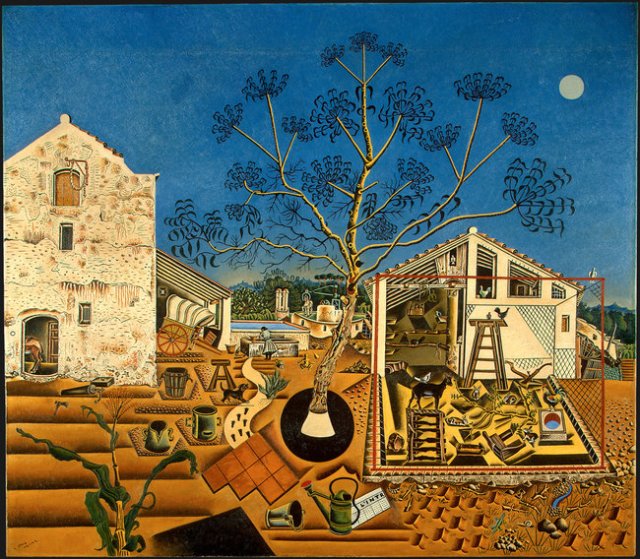
“Joan Miró: The Ladder of Escape” is curated by Marko Daniel and Matthew Gale (Tate Modern,  London) and Teresa Montaner (Fundació Joan Miró), who claim that “the exhibition reveals a politically engaged side to Miró’s work, including his passionate response to one of the most turbulent periods in European history as well as his sense of Spanish—specifically Catalan—identity.”

The National Gallery of Art has a description of the exhibit online. The New York Times reviews the exhibit somewhat critically, questioning the notion of Miró as a politically engaged artist.

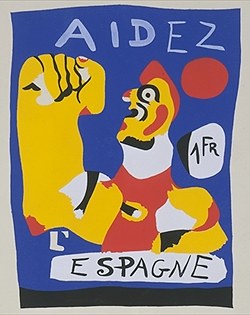
Certainly, Miró is known for his playful and whimsical figurative works depicting humans, birds, and objects. But, Miró also produced politically charged artworks during the Spanish Civil War, notably his Aidez l’Espagne print (1937) soliciting aid for the Republicans.


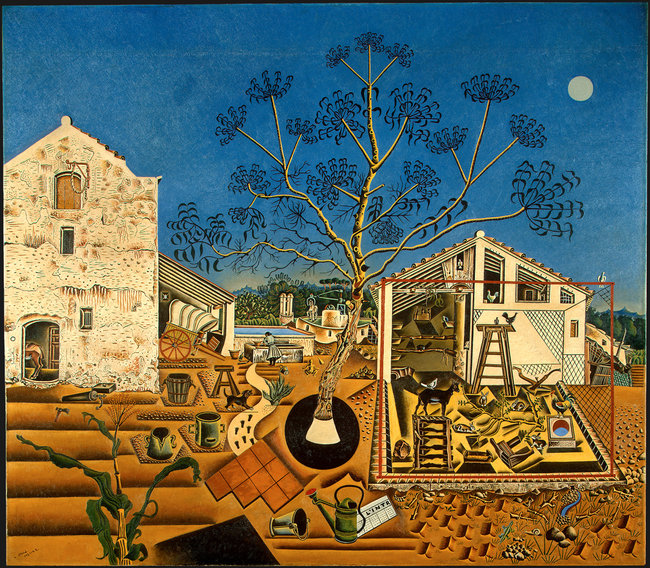
Miró’s El Segador (shown here) was exhibited along with Pablo Picasso’s Guernica and Juli González’s La Montserrat in the Pavilion of the Republic (built by architect Josep Lluís Sert) at the 1937 Paris International Exhibition as a direct show of support of the Republican cause against Franco’s Fascists.

Whether or not this political engagement during 1936-1937 can be read into Miró’s earlier landscapes or later figurative work is debatable, but the artist indeed seems to have linked creativity, sexuality, and socialist politics with Catalan nostalgia (if not nationalism) in much of his work.


I hope to be able to visit the National Gallery of Art exhibition to consider the curators’ politicized reading of Miró’s artwork more closely.


Posted in Art History, Civil Conflict, Contemporary Art, European History, Human Rights, Political Culture | Leave a comment

Historian John Keegan has Died

John Keegan, a leading historian of warfare, has died at the age of 78. Keegan taught at the Royal Military Academy at Sandhurst for many years and wrote a number of books on military history topics.

Keegan’s most famous work was The Face of Battle (1976), which helped establish a “New Military History” examining warfare from the soldiers’ perspective. This approach to military history drew heavily on social history methods, leading to the formulation of “War and Society Studies” in the 1970s and 1980s.  Keegan’s The Face of Battle has become a classic and is still required reading at most programs in War and Society Studies.

The New York Times has published an obituary of Keegan online.

Posted in European History, History of Violence, War, Culture, and Society, Warfare in the Early Modern World | Leave a comment

Two New Reviews of Warrior Pursuits

Two new reviews of Warrior Pursuits: Noble Culture and Civil Conflict in Early Modern France (Baltimore, MD: Johns Hopkins University Press, 2010) have recently been published.

Hamish Scott, Professor of History at the University of Glasgow, reviewed Warrior Pursuits in War in History 19 (July 2012): 401-402. This review is available online at the War in History website or through the EBSCO Academic Search Premier database through most university libraries.

David Parrott, Professor of History at the New College of Oxford University, reviewed the book in French Studies: A Quarterly Review 66 (July 2012): 392-393. This review is available online through the Project Muse database through most university libraries.

Both of these reviews situate Warrior Pursuits in relationship to the historiography of nobles and warfare in early modern Europe.

Posted in Current Research, Early Modern Europe, European History, European Wars of Religion, French History, French Wars of Religion, History of Violence, Languedoc and Southern France, Noble Culture and History of Elites, Religious Violence, War, Culture, and Society, Warfare in the Early Modern World | Leave a comment

Port Cities and the Slave Trade

In the early modern period, many port cities were intimately connected with the slave trade. Ports ringing the Atlantic Ocean, Mediterranean Sea, Indian Ocean, and other bodies of water acted as harbors for slave ships and resale markets for human bodies.

Historian Marcus Rediker, author of The Slave Ship: A Human History, is interviewed in Eurozine about port cities and the slave trade as part of a broader forum on “European Harbour Cities” at Eurozine‘s website.

Students taking early modern history courses at Northern Illinois University may be interested in this interview.


Posted in Early Modern Europe, Early Modern World, European History, Globalization, History in the Media, History of Violence, Human Rights, Maritime History | Leave a comment