Props and Historical Films

Props are key to establishing the “look” of the past in historical films.  But, how are props selected and used in films?

A new NPR story examines the prop-masters in Hollywood who research, collect, and catalog period objects for use on film sets.  Prop-masters act as scenery advisers to filmmakers, using their expertise in the material culture of historical periods.

Read or listen to the story on NPR.


Posted in Historical Film, History in the Media, War in Film | Leave a comment

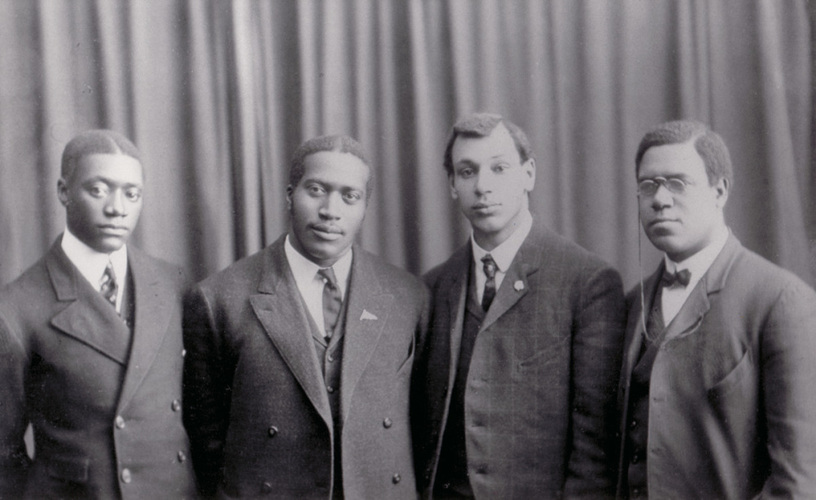
Jubilee Quartet and African-American Spirituals

A fascinating story explores how the Jubilee Quartet at Fisk University attempted to preserve slave-era spirituals in the early twentieth century.

Read the story and hear the recordings from the 1900s and 1910s at NPR.


Posted in Historical Film, Music History | Leave a comment

Director of the Archives Nationales Departs

Le Monde reports that the Director of the Archives Nationales in Paris has departed.  The Archives Nationales has been embroiled in a political fight over the installation of a historical museum in the Hôtel de Soubise, home of the Archives Nationales.  Historical researchers should be concerned about this developing story.

Read the story in Le Monde.

Posted in Archival Research, History in the Media | Leave a comment

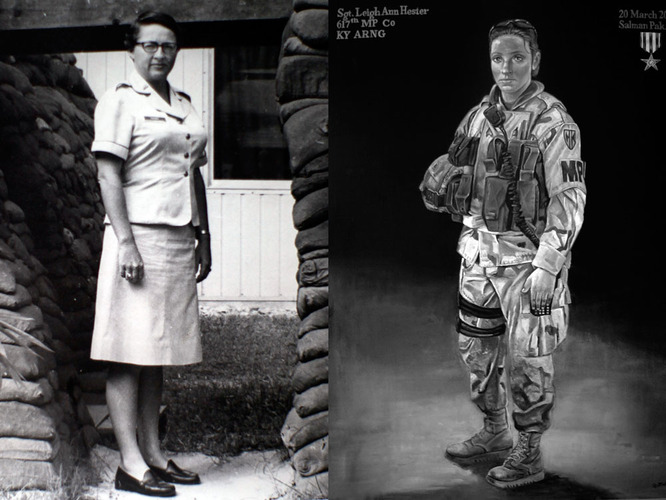
Women in Combat

Women’s participation in the United States Armed Forces is again being reconsidered, with combat roles the key focus.  NPR provided an analysis of the issue today in as story on “Women In War: ‘I’ve Lived Out There With The Guys.'”

Read or listen to the story at NPR.


Posted in Gender and Warfare, War, Culture, and Society | Leave a comment

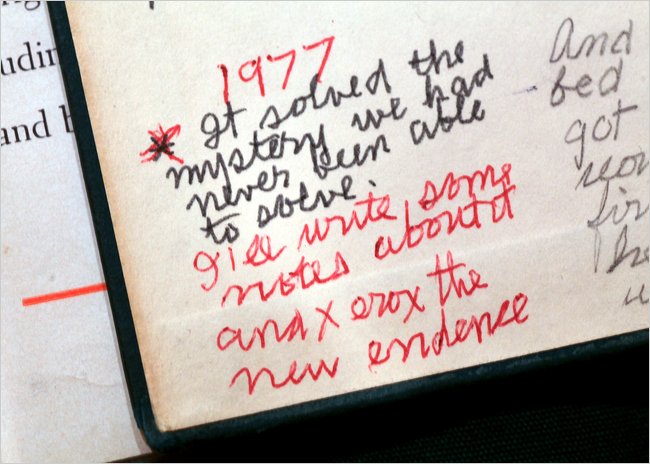
Marginalia at the Newberry Library

The Newberry Library is in the news again, with a feature on its collection of marginalia appearing in the New York Times today.  The story highlights the importance of studying marginal comments in books and raises questions about how e-marginalia can be preserved in the future.

Read the article at the New York Times.

Posted in Archival Research, History in the Media | Leave a comment

Renaissance France in Chicago

Renaissance France is coming to Chicago!  A new exhibition, entitled “Kings, Queens, and Courtiers: Art in Early Renaissance France,” will open at the Art Institute of Chicago on 27 February 2011.

Students in my HIST 420 The Renaissance course at Northern Illinois University may earn extra credit by writing a review of this exhibition.

See the exhibition website for “Kings, Queens, and Courtiers: Art in Early Renaissance France.”

Posted in European History, Renaissance Art and History | Leave a comment

Obama Administration Studies Revolutions

The Washington Post reports that the Obama administration has been consulting comparative revolutionary studies as it works to formulate responses to the protests in Egypt and across the Arab world.

Read the article by Scott Wilson in the Washington Post.

Posted in Comparative Revolutions | Leave a comment

Why We Need Women in War Zones

An important reminder of why female war correspondents are vital: Kim Barker, “Why We Need Women in War Zones,” New York Times, 19 February 2011.

Posted in Gender and Warfare, War, Culture, and Society | Leave a comment

French and Egyptian Revolutions

French historian David A. Bell examines the Egyptian Revolution through the history of the French Revolution.

Read the article on Foreign Policy

Posted in Civil Conflict, Comparative Revolutions, French Revolution and Napoleon | Leave a comment

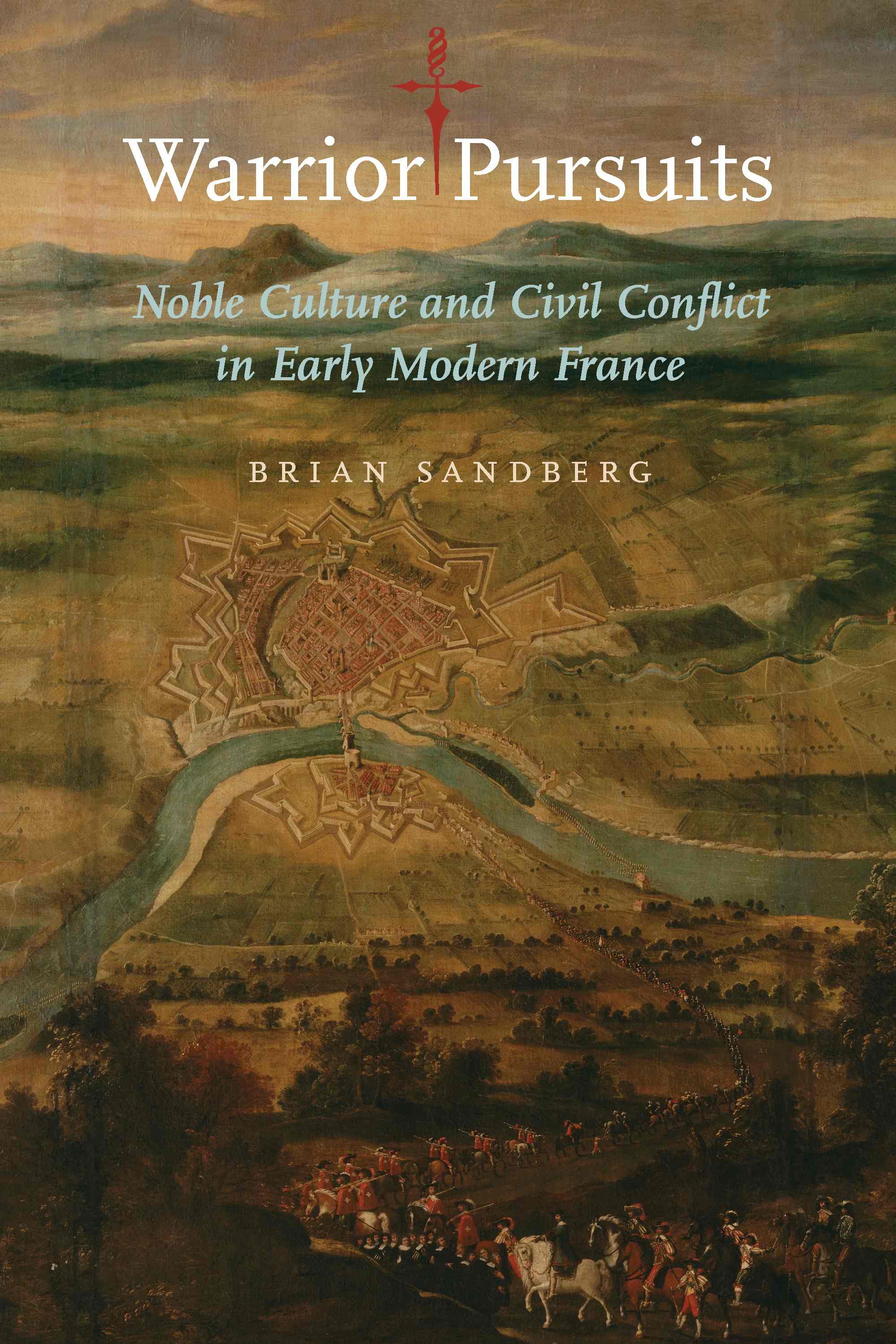
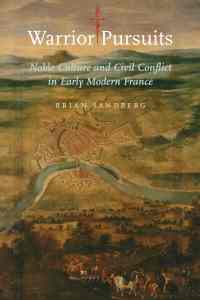
Warrior Pursuits is Available

This cultural history of civil warfare in early seventeenth-century France examines how warrior nobles’ practices of violence shaped provincial society and the royal state.

Warrior Pursuits analyzes in detail how provincial nobles engaged in revolt and civil warfare in southern France between 1598 and 1635. The southern French provinces of Guyenne and Languedoc suffered almost continual religious strife and civil conflict in this period, providing an excellent case for investigating the dynamics of early modern civil violence. Brian Sandberg’s extensive archival research on noble families in these provinces reveals that violence continued to be a way of life for many French nobles, challenging previous scholarship that depicts a progressive “civilizing” of noble culture. He argues that southern French nobles engaged in warrior pursuits — social and cultural practices of violence designed to raise personal military forces and to wage civil warfare in order to advance various political and religious goals. Close relationships between the profession of arms, the bonds of nobility, and the culture of revolt allowed nobles to regard their violent performances as “heroic gestures” and “beautiful warrior acts.” Warrior nobles represented the key organizers of civil warfare in the early seventeenth century, orchestrating all aspects of the conduct of civil warfare — from recruitment to combat — according to their own understandings of their warrior pursuits.

Building on the work of Arlette Jouanna and other historians of the nobility, Sandberg provides new perspectives on noble culture, state development, and civil warfare in early modern France. French historians and scholars of the Reformation and the European Wars of Religion will find Warrior Pursuits engaging and insightful.

Warrior Pursuits on Amazon.com

Posted in Uncategorized | Leave a comment