
Napoleon Bonaparte created modern authoritarianism, according to Lynn Hunt, a leading historian of the French Revolution and Napoleon (1789-1815).
During the French Revolutionary Wars, Bonaparte became became a popular general of a people’s army. He then seized power in a military coup d’état that installed him as one of three Consuls governing France. He soon consolidated power, becoming First Consul in 1800, and then Emperor of the French in 1804.
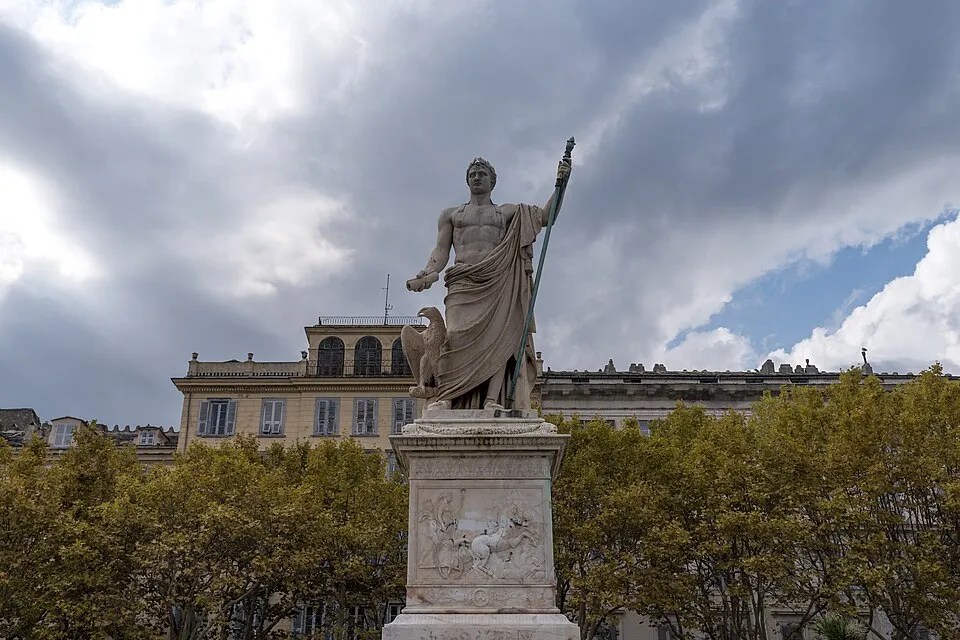
Hunt writes: “Napoleon Bonaparte invented modern authoritarianism, though he did not know he was doing so at the time. His form of rule included some features that were hardly new: concentration of authority in a supreme ruler, lack of accountability, and the claim to be restoring social and political order. What made Bonaparte’s version modern was its rejection of democracy even while claiming popular support.
“Modern authoritarianism uses the tools of democracy to undo democratic practices. As a form of regime, therefore, it only became possible once the ideals of representative government, popular sovereignty, and freedom of expression took root. Modern authoritarianism emerged first in France because the French Revolution of 1789 pushed democratic political participation further than anyone could have imagined at the time. The Revolution also uncorked a potent mix of radical egalitarianism and political violence that terrified wealthy property owners and the aristocratic leaders of neighboring countries. The stage was set for the emergence of a political alternative that was neither monarchical nor democratic but rather a hybrid – some would say bastardization – of the two.”
Lynn Hunt’s essay is published in the journal Age of Revolutions (2026).


