On the Army of God and Religious Politics in the U.S.

A new report in The Atlantic focuses on the New Apostolic Reformation (NAR) in contemporary Christianity and its growing influence in the political culture of the United States.

Stephanie McCrummen writes: “A shift is under way, one that scholars have been tracking for years and that has become startlingly visible with the rise of Trumpism. At this point, tens of millions of believers—about 40 percent of American Christians, including Catholics, according to a recent Denison University survey—are embracing an alluring, charismatic movement that has little use for religious pluralism, individual rights, or constitutional democracy. It is mystical, emotional, and, in its way, wildly utopian. It is transnational, multiracial, and unapologetically political. Early leaders called it the New Apostolic Reformation, or NAR, although some of those same leaders are now engaged in a rebranding effort as the antidemocratic character of the movement has come to light. And people who have never heard the name are nonetheless adopting the movement’s central ideas. These include the belief that God speaks through modern-day apostles and prophets. That demonic forces can control not only individuals, but entire territories and institutions. That the Church is not so much a place as an active “army of God,” one with a holy mission to claim the Earth for the Kingdom as humanity barrels ever deeper into the End Times.”
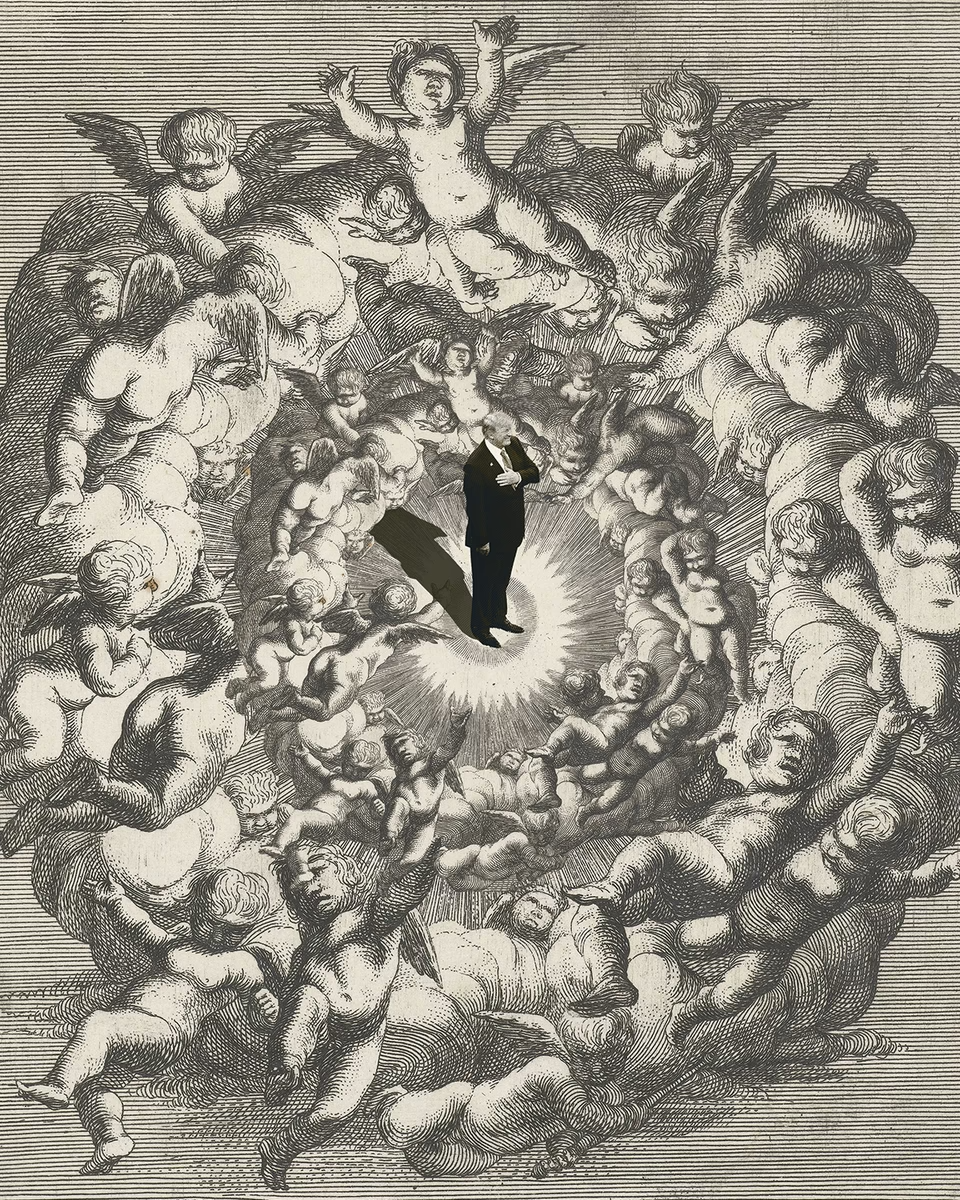
Historians, sociologists, anthropologists, and religious studies scholars have been tracking the transformations in evangelical Christianity for decades. However, many Americans seem to be unaware of the radical changes in contemporary Christian theology and politics. The concept of an Army of God draws simultaneously on old crusading discourses and new theological arguments for total Christian engagement in political and social change.

McCrummen explains that “I came to understand how the movement amounts to a sprawling political machine. The apostles and prophets, speaking for God, decide which candidates and policies advance the Kingdom. The movement’s prayer networks and newsletters amount to voter lists and voter guides. A growing ecosystem of podcasts and streaming shows such as FlashPoint amounts to a Kingdom media empire. And the overall vision of the movement means that people are not engaged just during election years but, like the people at Gateway House of Prayer, 24/7.”

The notions of prophesy, reformation, and an Army of God reminds us of the force of the historical Reformation movements that split Latin Christendom and produced the European Wars of Religion of the sixteenth and seventeenth centuries. Those conflicts produced religious transformations and confessional politics that continue to shape modern religious politics in many ways. My upper-division undergraduate and graduate course on HIST 414 European Wars of Religion addresses these historical contexts.

Stephanie McCrummen’s article on “The Army of God Comes Out of the Shadows” is published in The Atlantic (9 January 2025).

This article will make a nice addition to the readings on contemporary religious politics and violence in my HIST 610 Graduate Reading Seminar on Religious Violence.

Posted in Cultural History, Early Modern Europe, Early Modern World, European History, European Wars of Religion, French Wars of Religion, Intellectual History, Political Activism and Protest Culture, Political Culture, Reformation History, Religious Politics, Religious Violence, United States History and Society | Tagged , , , , , , , , , , , , | Leave a comment

France’s Far-Right Embraces Jean-Marie Le Pen

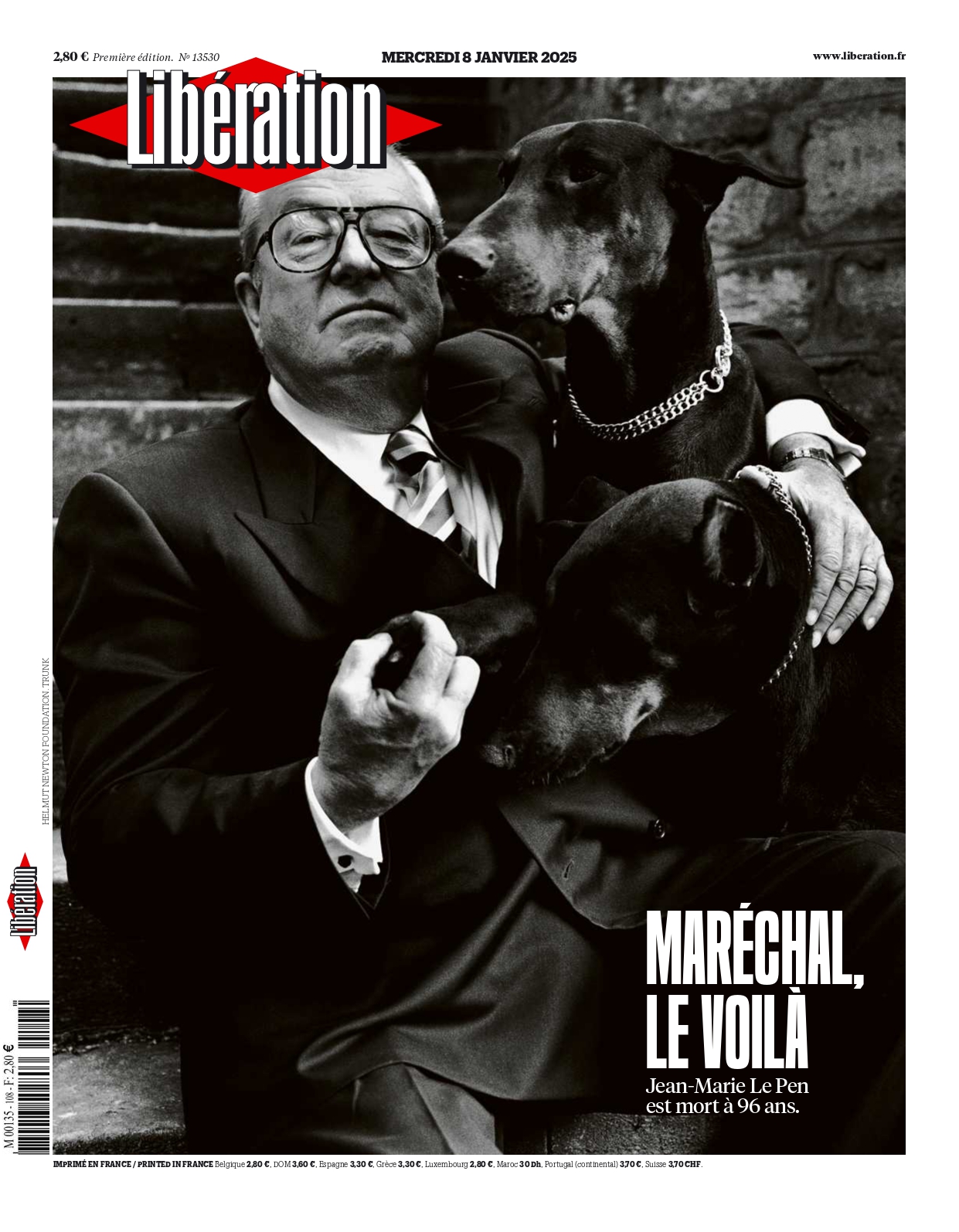
French far-right political leader Jean-Marie Le Pen died this week. In 1972, Le Pen founded the Front National (National Front) and gradually built it into the preeminent far-right political party in France.

Jean-Marie Le Pen was a former military intelligence officer in the Algerian War who was accused of torture and war crimes and who was an ardent proponent of the French Empire. Le Pen became a major force in French political culture, running for the office of president five times.

The New York Times reports that “For decades, Mr. Le Pen was a pariah of French politics, considered so odious that many opponents refused to debate him. That had much to do with the party’s history: Its founders in 1972 included former Nazi soldiers, collaborators with the wartime Vichy regime and onetime members of a group that carried out deadly attacks meant to thwart Algeria’s struggle to free itself from French colonial rule. Mr. Le Pen’s openly racist, antisemitic and anti-gay comments cemented the public’s perception of the party.”

The Front National party was later renamed as Rassemblement National (National Rally) in 2011 after Jean-Marie Le Pen was ousted from party leadership by his daughter, Marine Le Pen, in a bid to revamp the party’s image and make the far-right more marketable to a broader section of the French citizenry.

“For years, the far-right National Rally tried to distance itself from Mr. Le Pen’s racist and antisemitic remarks. But after his death Tuesday, it hailed him as a visionary,” according to The New York Times.

Now that Jean-Marie Le Pen has died, Rassemblement National party members have been praising his legacy in effusive eulogies.

The New York Times reports that “the party’s glowing remembrance of Mr. Le Pen was also a way to recast his image — and its own, some experts said.”

“‘Paying tribute to Le Pen ‘undemonizes’ the party even further’ by portraying him as an excessive but prescient politician, unfairly condemned for warning about the dangers of immigration, said Nicolas Lebourg, a historian who specializes in the far right. ‘People who voted for the first time last year have almost no memory of him,’ Mr. Lebourg said.”

The historical memory of Jean-Marie Le Pen and the Front National political party are clearly being reshaped again in the wake of his death this week. French historians are following the political discourse and are already weighing in on Le Pen’s historical legacy. I aim to update this post as more French historians publish analyses.

The New York Times has published an article on “In Death, Jean-Marie Le Pen of France Is Embraced by Far-Right Party He Once Led.”

Posted in Contemporary France, European History, European Studies, European Union, French History, Museums and Historical Memory, Political Culture | Leave a comment

History of Science and Versailles

London’s Science Museum is currently displaying an exhibition on Versailles: Science and Splendour, which draws on recent studies in the history of science in early modern France.

The Financial Times reports that “The engine of the exhibition is the relationship between science and power in the 17th and 18th centuries (the reigns of Louis XIV, XV and XVI), a time when France was a dominant political, cultural and military force in Europe.”

French kings formed several scientific and literary academies during the seventeenth century and provided extensive royal patronage for scientific research.

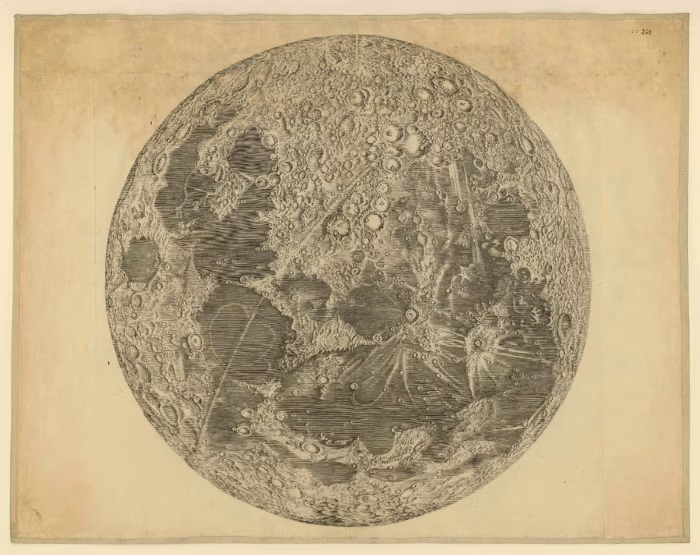
According to The Financial Times, “Scientists were lured to Versailles from across Europe by the promise of a salary and whatever rare equipment they desired: among them were the Dutch physicist and mathematician Christiaan Huygens, the Danish astronomer Olaüs Roemer and the mathematician and astronomer Giovanni (or Jean) Domenico Cassini of Bologna. On display is the latter’s map of the Moon, whose surface he spent several years recording in minute detail through a telescope. Lunar distance, meanwhile, was among the early proposals for the calculation of longitude, a major scientific challenge of the time and a recurrent theme in the show.”

The exhibition also includes objects relating to medical practices in early modern France, including a obstetrics mannequin used to teach midwives how to deliver babies.

The Financial Times provides a review of the exhibition on Versailles: Science and Splendour at London’s Science Museum. The exhibition will be on view through 21 April 2025.

Northern Illinois University students in HIST 311 Early Modern France and HIST 422 Early Modern Europe will be interested in this exhibition.

Posted in Court Studies, Early Modern Europe, Early Modern France, Early Modern World, European History, European Studies, French History, History of Medicine, History of Science, Museums and Historical Memory, Women and Gender History, World History | Tagged , , , , | Leave a comment

Death of Front National Founder Jean-Marie Le Pen

Jean-Marie Le Pen, the firebrand far-right French politician and one of the key architects of the modern neo-fascist movement in Europe, has died.

The New York Times reports that “Jean-Marie Le Pen, the founding father of France’s modern political far right, who built a half-century career on rants of barely disguised racism, antisemitism and neo-Nazi propaganda, has died. He was 96.” Le Monde underlines that “Jean-Marie Le Pen, l’homme qui a remis l’extrême droite au cœur du jeu politique français, est mort.”

Jean-Marie Le Pen was a notorious racist who consistently promoted neo-fascist and anti-immigrant ideologies. He served as a military intelligence officer in Algeria during the Algerian War and was accused of war crimes for torturing Algerians during the conflict. He denied all charges of war crimes and was an unabashed apologist for French Empire and militarism. He later became a far-right politician and founded the Front National (National Front), the leading neo-fascist political party in France, in 1972 and led it for decades.

He is best known for his outrageous and repeated denials of the historical reality of the Holocaust. The New York Times reports that “a French court in 1987 convicted Mr. Le Pen of Holocaust denial for saying that Nazi gas chambers were ‘a detail’ in history. He repeated the comment a decade later, and was convicted by a German court.”

According to The New York Times, “An arm-waving reactionary with the swagger of a circus pitchman making outrageous claims, Mr. Le Pen ran unsuccessfully for the French presidency five times, making it to a runoff in 2002, riding waves of discontent and xenophobia and raising specters of a new fascism as he excoriated Jews, Arabs, Muslims and other immigrants — anyone he deemed to be not ‘pure’ French.”

I followed Jean-Marie Le Pen’s rise while conducting doctoral research in France in the 1990s, and then observed his presidential campaign in 2002 from the European University Institute in Florence, Italy.

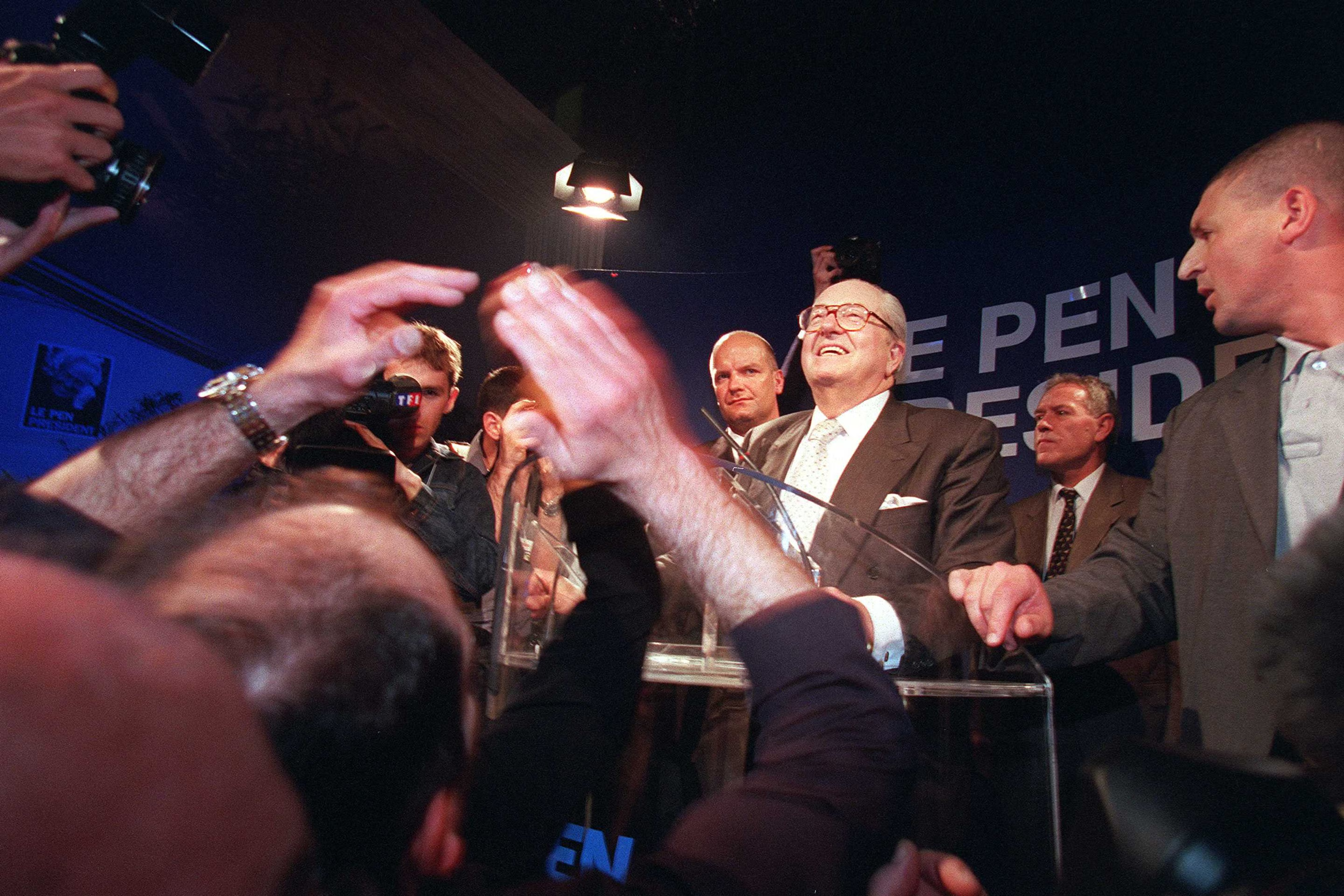
Le Pen shocked French citizens by besting the Socialist Lionel Jospin in the first round of the 2002 French Presidential Election and then heading into a runoff against conservative President Jacques Chirac. Although Chirac won the runoff in the second round by a landslide, Le Pen nonetheless scored a then record number of votes for a far-right candidate, opening the door for far-right politicians across Europe to launch their own candidacies.

Jean-Marie Le Pen’s daughter, Marie Le Pen, emerged as his successor as party leader of the Front National in 2011. She has attempted to rebrand the party and has renamed it the Rassemblement National (National Rally).

Political analyst Aurelien Mondon (University of Bath) argues that “The death of Jean-Marie Le Pen, former leader of the party once known as the National Front, occurs at a time when the mainstreaming of far-right politics in France seems almost complete. Le Pen was, for most of his career, considered the devil in French politics. Yet today, his party, headed by his daughter and now called National Rally (Rassemblement National), is at the gates of power.”

Italian journalist Michele Barbaro comments: “And it’s not just France. Modern versions of the far-right populism that Jean-Marie Le Pen embodied are thriving across the West. Italy is led by a postfascist prime minister. Nationalist-populist parties are in charge in Hungary and share power in Finland and Sweden. In the United States, Donald Trump, whose “America First” slogan is reminiscent of the old National Front posters, had already won the top job once and won it again in 2024. Jean-Marie Le Pen is dead, but his heirs are doing just fine.”

French historians will be confronting the legacy of Jean-Marie Le Pen for decades to come, as undoubtedly will French citizens.

Le Monde, The New York Times, The Washington Post, BBC, The Guardian, and other news organizations have published obituaries.

Aurelien Mondon’s commentary is published in The Conversation. Michele Barbaro’s article appears in Foreign Policy.

Posted in Atrocities, Contemporary France, Empires and Imperialism, European History, European Studies, European Union, French Empire, French History, Genocides, History of Violence, Human Rights, Laws of War, Political Culture, War, Culture, and Society | Tagged , , , , , , , , , , , , | Leave a comment

Documenting the Storming of the U.S. Capitol

The Storming of the U.S. Capitol by supporters of then President Trump is one of the most documented individual episodes of mass violence in history.

As President-Elect Trump prepares to re-enter the White House, it is important to revisit the documentary record of the Storming of the U.S. Capitol. President-Elect Trump and his supporters continue to undermine the historical record of this event for their own personal and political purposes.

Social media platforms have amplified the ability of politicians such as President-Elect Trump to rewrite the historical record to serve their own political agendas. X (the former Twitter) has categorically opposed any fact-checking in order to serve Elon Musk’s personal political agenda and that of his far-right allies worldwide. It is telling that Facebook has just announced that it is suspending its (already inadequate) fact-checking services entirely. The New York Times reports on Facebook’s change in policy: “The social networking giant will stop using third-party fact checkers on Facebook, Threads and Instagram and instead rely on users to add notes to posts. It is likely to please President-elect Trump and his allies.”

Historians must continually address the politicized distortions of the historical record through archival collection and conservation, documentary research, academic publication, and public history diffusion of documentary evidence. Historians play a vital public role by documenting and interpreting past events, political actions, social movements, and everyday life based on a careful reading of the dense historical records of the past. Informed citizens and their societies rely on trained journalists and historians to access a documented and nuanced understanding of their present and past worlds.

The United States Congress has published documents from the Storming of the U.S. Capitol in several repositories.

The Library of Congress established a web archive on the Storming of the U.S. Capitol. The Library of Congress indicates: “On January 6, 2021, the U.S. Capitol was attacked by a crowd attempting to stop a joint session of Congress from certifying the electoral votes of the 2020 presidential election. The January 6th Attack on the U.S. Capitol Web Archive preserves a representative sample of websites related to the attack and its aftermath. The collection includes a selection of federal and state government websites, as well as sites from the military, law enforcement, advocacy groups, think tanks, academia, corporations, and the media.”

The Second Impeachment of President Trump was based on his actions, those of members of his administration, and those of his political supporters, during the Storming of the U.S. Capitol. The Select January 6th Committee Final Report and Supporting Materials Collection is available online.

Lawfare also provides access to the Select January 6th Committee’s documents.

ProPublica published a large collection of first-person videos taken and diffused by participants in the Storming of the U.S. Capitol on 6 January 2021.

“As supporters of President Donald Trump took part in a violent riot at the Capitol, users of the social media service Parler posted videos of themselves and others joining the fray. ProPublica reviewed thousands of videos uploaded publicly to the service that were archived by a programmer before Parler was taken offline by its web host. Below is a collection of more than 500 videos that ProPublica determined were taken during the events of Jan. 6 and were relevant and newsworthy. Taken together, they provide one of the most comprehensive records of a dark event in American history through the eyes of those who took part.”

PBS reported on additional documents made available in 2024 by the prosecution in Donald Trump’s 2020 election interference case.

Posted in Academic Freedom, Historiography and Social Theory, History in the Media, History of Violence, Information Management, Museums and Historical Memory, Political Activism and Protest Culture, Political Culture, Political Theory, United States History and Society | Tagged , , , , | Leave a comment

Remembering the Charlie Hebdo Attacks

Remembering the victims of the Charlie Hebdo Attacks on 7 January 2015 in Paris.

I was living nearby in the Marais at the time and remember that terrible day and its aftermath vividly.

It is hard to believe that 10 years have passed….

Parisian Mayor Anne Hidalgo and President Emmanuel Macron commemorated the attacks today at the site of the former Charlie Hebdo offices.

Le Monde has published an article on “Dix ans après les attentats de 2015, la France toujours sous le choc,” and a series of pieces on the transformations of Parisian life and security since the attacks.

Reuters and the BBC report in English on the commemorations in Paris.

Le Monde has a profile of the cartoonist Riss, who survived the attacks: “Riss, dix années pour garder « Charlie » en vie.”

A brief video documentary by Le Monde recaps the Charlie Hebdo Attacks and flight of the killers.

Posted in Contemporary France, European History, European Studies, European Union, French History, History of Violence, Museums and Historical Memory, Political Culture, Terrorism | Leave a comment

Royalty, Territorial Claims, and International Politics

Early modern issues of royal heraldry and territorial claims have reemerged in contemporary international politics. The King of Denmark is changing his coat of arms, provoking surprise among European political analysts and historians.

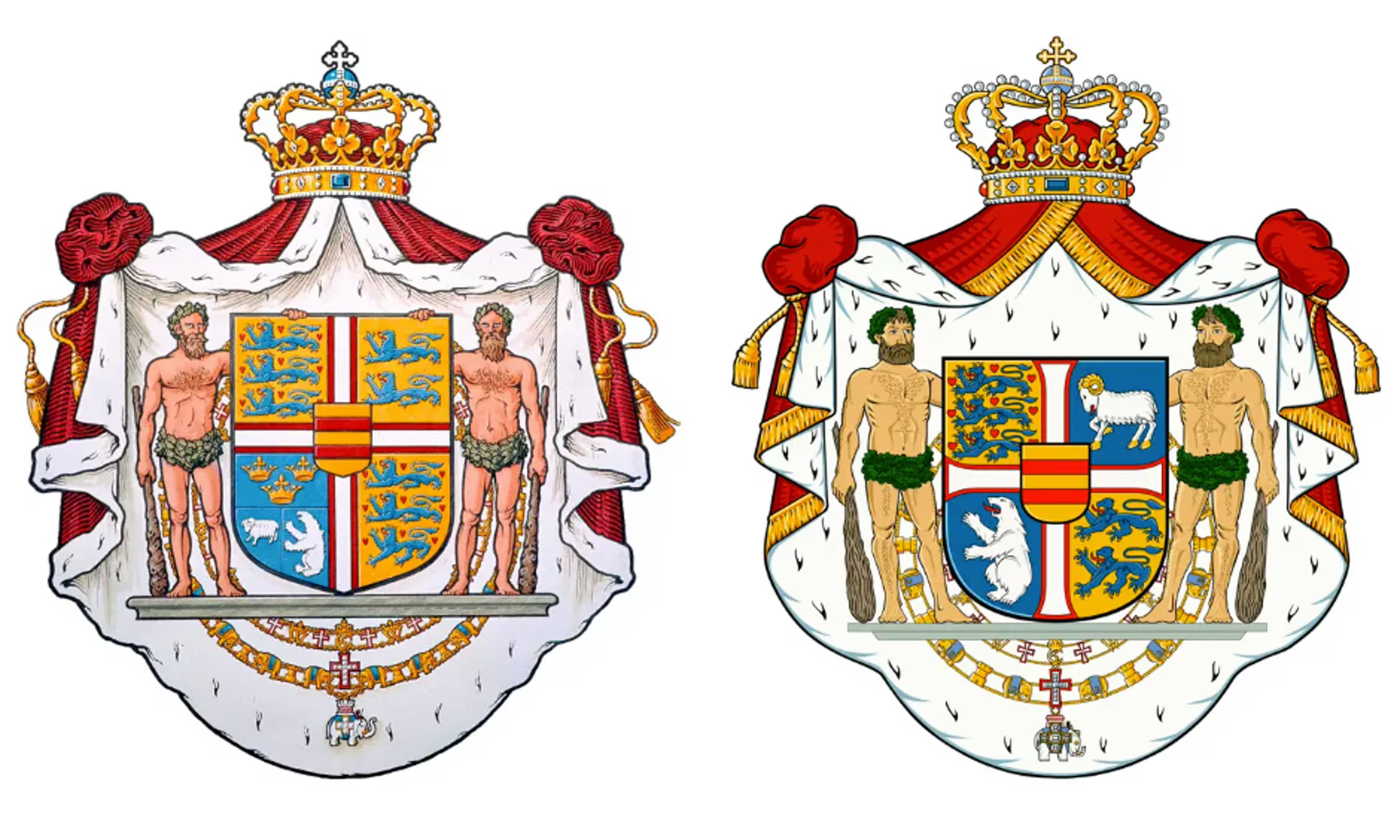
The Guardian reports that “The Danish king has shocked some historians by changing the royal coat of arms to more prominently feature Greenland and the Faroe Islands – in what has also been seen as a rebuke to Donald Trump.”

The new coat of arms foregrounds symbols of Greenland and the Faroe Islands, in a direct response to President-elect Donald Trump’s recent statements suggesting that the United States purchase Greenland.

“Less than a year since succeeding his mother, Queen Margrethe, after she stood down on New Year’s Eve 2023, King Frederik has made a clear statement of intent to keep the autonomous Danish territory and former colony within the kingdom of Denmark.”

The new design removes the symbol of three crowns from the Danish royal coats of arms, a perceived shift in Scandinavia political culture.

“Ever since the peace treaty of Knäred in 1613, which ended the Kalmar war, Sweden was ‘forced to accept the Danish king’s rights to use the Swedish symbol of the three crowns,’ said Dick Harrison, a history professor at the Swedish University of Lund, making its removal from the Danish coat of arms now ‘a sensation.'”

According to The Guardian, “The [three crowns] symbol survived the huge defeats in the wars against Sweden in the 1640s and the 1650s, the loss of Norway in 1814, the loss of Schleswig to Germany in 1864, the transition to modernity, the loss of Iceland and the German occupation in world war II,” he said. “Thus, from the point of view of history, the fact that King Frederik X has decided to remove the symbol is a sensation.”

Royal politics and monarchical states continue to shape modern international relations in many ways. We need to understand the long history of royal politics and territorial claims to decipher aspects of contemporary international politics.

The Guardian reports on the King of Denmark’s new coat of arms.

Posted in Cultural History, Early Modern Europe, Early Modern World, Empires and Imperialism, European History, European Studies, European Union, European Wars of Religion, History of Violence, Medieval History, Monarchies and Royal States, Museums and Historical Memory, Political Culture, Political Theory, Reformation History, Renaissance Art and History, State Development Theory, Strategy and International Politics, Warfare in the Early Modern World | Tagged , , , , , , , , , , | Leave a comment

Newberry Summer Institutes in Paleography

The Center for Renaissance Studies at the Newberry Library will be offering Summer Institutes in Spanish Paleography and/or Nahuatl/Nawat during Summer 2025.

Northern Illinois University graduate students in History and the Humanities are encouraged to apply to participate in a paleography institute. Northern Illinois University is a member of the Center for Renaissance Studies Consortium, providing support for participation in Newberry Library events and activities.

The Center for Renaissance Studies’ announcement reads:

2025 Newberry CRS Summer Institutes in Spanish Paleography and/or Nahuatl/Nawat

Deadline: March 15, 2025

SPANISH PALEOGRAPHY (2 weeks: July 7-18, 2025)

Directed by J. Michael Francis (University of South Florida), the 2025 CRS Institute in Spanish Paleography will provide participants with practical training in reading and transcribing documents written in Spain and Spanish America from the late fifteenth to the early eighteenth centuries.

Prerequisite: This graduate-level institute will be taught in English; however, advanced language skills in Spanish (especially reading) required.

INTRODUCTION TO NAHUATL/NAWAT (2 weeks: July 21-August 1, 2025)

This week-long intensive will offer an introduction to Nahuatl/Nawat language study for scholars. The institute will be directed by Abelardo de la Cruz de la Cruz (University of Utah and University at Albany, SUNY) and Edward Polanco (Virginia Tech).

Prerequisite: Proficiency in Spanish would be helpful but is not required for Introduction to Nahuatl/Nawat. However, please do indicate your fluency level on this application.

*NOTE: Interested scholars are welcome and encouraged to apply for BOTH institutes. If you would like to apply for both, please address your interest in each institute in your essay. However, applications for both institutes will be considered separately by the respective instructors.*

Eligibility: Each institute will enroll 15 participants by competitive application. First consideration will be given to advanced graduate students and junior faculty in the Center for Renaissance Studies Consortium universities. Applications are accepted from advanced graduate students and junior faculty from universities, professional staff of libraries and museums, and from qualified independent scholars.

Your application should include:

  1. An essay of no more than 500 words
  2. Current curriculum vitae (CV) of no more than three pages
  3. One letter of reference

For more information, see the Center for Renaissance Studies website at the Newberry Library.

Posted in Archival Research, Atlantic World, Early Modern Europe, Early Modern World, European History, Graduate Work in History, History of the Book, Lectures and Seminars, Manuscript Studies, Mediterranean World, Paleography, Reformation History, Renaissance Art and History | Tagged , , , , , , , , | Leave a comment

Publishing Your First Article: Webinar

The Renaissance Society of America will be holding a professional development webinar on “Publishing Your First Article (and the Unspoken Rules of Publishing You Need to Know).”

This webinar will provide advice on how to prepare a research paper for publication with an academic journal. Examples may focus on the field of Renaissance studies, but the practical advice should be applicable in all fields of History and the Humanities.

Graduate students in History at Northern Illinois University are encouraged to participate in this webinar.

Note that the RSA indicates that registration is required: “If you are not an RSA member, you will need to register as a current member to attend this webinar. Membership rates are based on income, and start at just $20 per year.”

Here is the RSA’s announcement:

Ideal for first-time authors, learn the basics of scholarly publishing at the upcoming professional development webinar, “Publishing Your First Article (and the Unspoken Rules of Publishing You Need to Know).” Brett Rushforth, Editor in Chief of the Huntington Library Quarterly, will outline the submission, peer review, and editing process. Ruth Noyes, an educator with expertise in academic and grant writing, will provide actionable advice and share the “unspoken rules” of publishing. 

This webinar will be held on Thursday, February 6, 2025, at 12:00 p.m. EST. Easily convert the time zone.

Panelists:

Here is the link to register for this webinar:

https://www.rsa.org/events/EventDetails.aspx?id=1922139

Posted in Academic Publishing, Graduate Work in History, Renaissance Art and History, Writing Methods | Tagged , , , , , , , , , , , , | Leave a comment

Remembering the Storming of the U.S. Capitol

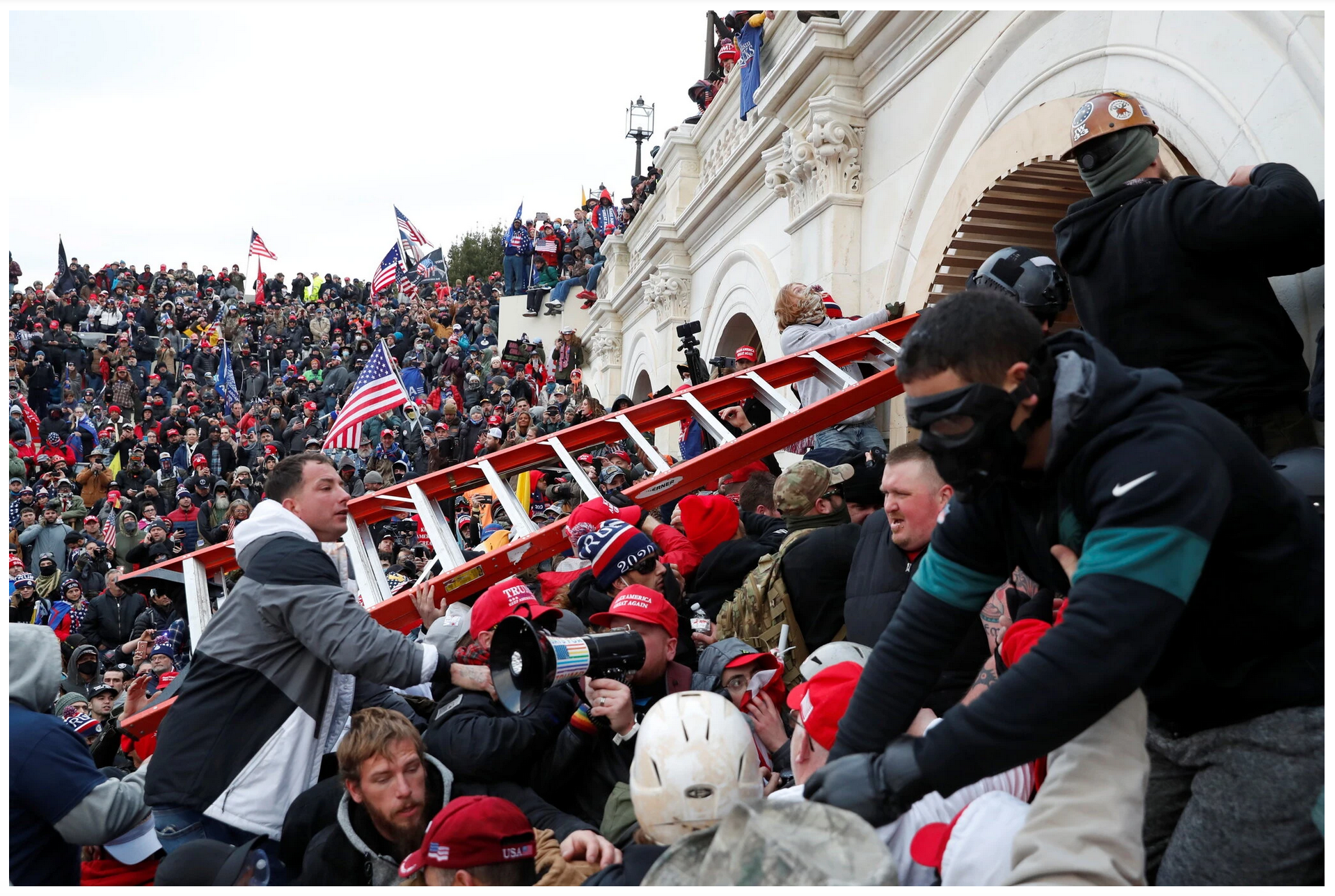
Today, I am remembering the Storming of the U.S. Capitol on 6 January 2021.

The Storming of the U.S. Capitol was an organized paramilitary attack that represented a coup de force (or coup de majesté)—essentially an insurrection from above—carried out by then President Trump, members of his administration, and his supporters in conjunction with armed far-right militias.

More than 1,500 individuals have been charged with crimes relating to the Storming of the Capitol as of December 2024. Over 1,000 of those charged have already been found guilty or pled guilty to criminal actions, including serious violent crimes. The U.S. Department of Justice provided an overview of prosecutions and convictions in January 2024, reporting at that time that “approximately 452 defendants have been charged with assaulting, resisting, or impeding officers or employees, including approximately 123 individuals who have been charged with using a deadly or dangerous weapon or causing serious bodily injury to an officer.”

A number of the militia members who participated in the attack have been charged and convicted of was a seditious conspiracy or insurrection. The U.S. Department of Justice commented on the conviction of members of the Oath Keepers on seditious conspiracy. NPR News provides a running tracker of charges and convictions in the largest criminal prosecution in the history of the United States.

It is shocking how many American citizens have such warped misunderstandings of the Storming of the Capitol on 6 January. This is largely due to a massive ahistorical media and social media campaign orchestrated by ex-President Trump and his political supporters to rewrite contemporary history.

Anyone who has supported ex-President Trump’s political “rehabilitation” since 2021 or voted for him in 2024 is complicit in the complete distortion of the historical record of the Storming of the Capitol.

Prosecutors and historians will continue to document the brutal violence of the Storming of the Capitol for years to come. Historians are used to confronting historiographical debates, but there are new challenges in combating outright distortions of the historical record in the social media age.

The New York Times has published an analysis of ex-President Trump’s sustained campaign to rewrite the history of the Storming of the Capitol in an article on “‘A Day of Love’: How Trump Inverted the Violent History of Jan. 6.” The New York Times comments that “The president-elect and his allies have spent four years reinventing the Capitol attack — spreading conspiracy theories and weaving a tale of martyrdom to their ultimate political gain.”

NPR reports today on “As Trump rewrites history, victims of the Jan. 6 riot say they feel ‘betrayed.'”

Jonathan Alter has published an opinion piece on “Who Owns Jan.6” in the New York Times.

Aquilino Gonell, a former Sergeant of the U.S. Capitol Police, published an opinion piece today reflecting on the “insurrectionists” who participated in the Storming of the Capitol in The Hill. Gonell remarks that “Donald Trump ran for a second term to avoid accountability for his crimes. Republicans in Congress are complicit in his contempt for the rule of law. They don’t just want to move on from Jan. 6 — they want to suppress the indelible mark this blatant attack has left on American history. They can’t face the fact that their lies incited a fatal insurrection, and their negligence is a betrayal to the more than 140 police officers who were injured or died in the aftermath of the attack.”

Here is my commentary on “Siege Warfare and the Storming of the Capitol” from four years ago.

Posted in Civil Conflict, Crowd Studies, Historiography and Social Theory, History of Violence, Political Activism and Protest Culture, Political Culture, Revolts and Revolutions, Terrorism, United States History and Society, War, Culture, and Society | Tagged , , , , , , , , , , , | Leave a comment