The Department of History at Northern Illinois University will be holding a virtual colloquium lecture tomorrow.
All NIU students are invited to participate in this History colloquium event, which will be held virtually on Zoom.
Elizabeth Hennessy from the University of Wisconsin-Madison will be giving a virtual talk, “On the Backs of Tortoises” about the history of conservation on the Galapagos Islands on February 23 at 3:30 PM.
Click on the link above to attend this virtual event.
Students in HIST 110 History of the Western World I may be interested in this History lecture on environmental history.
Students in my History of the Western World I course confront racial constructs in the idea of the West from the first day of classes. We consider the concepts of Europe, the West, and Western Civilization, critically throughout the semester, debating the shifting definitions and usages of these concepts in ancient and medieval history.
Students grapple with the costs of inclusion in “the West,” as they discover how societies have historically privileged, marginalized, enslaved, and excluded various population groups. They discover that “civilization” is a highly problematic concept that involves often brutal distinctions between peoples.
The ideas of Europe and of the West have been appropriated by Far-right and neo-Nazi groups, who claim to be preserving a Western heritage of “whiteness” in modern times. Far-right white nationalist militants have adopted certain figures from ancient, medieval, renaissance, early modern, and modern history to promote their racist versions of history.
Scholars are actively pushing back against racist appropriations and misinterpretations of the past by white nationalists.
In my own field of renaissance and early modern history, historians have broadened the history of race, racism, slavery, and violence. New publications and sessions at the Renaissance Society of America, Sixteenth Century Society and Conference, and other conferences have addressed the problem of confronting white nationalist appropriations of early modern history.
Over the past several years, ancient historians and Classicists have been furiously debating how to respond to claims of “whiteness” in ancient history.
The New York Times provides an introduction to this debate within ancient history: “In the world of classics, the exchange between Dan-el Padilla Peralta and Mary Frances Williams has become known simply as ‘the incident.’ Their back-and-forth took place at a Society of Classical Studies conference in January 2019 — the sort of academic gathering at which nothing tends to happen that would seem controversial or even interesting to those outside the discipline. But that year, the conference featured a panel on ‘The Future of Classics,’ which, the participants agreed, was far from secure. On top of the problems facing the humanities as a whole — vanishing class sizes caused by disinvestment, declining prominence and student debt — classics was also experiencing a crisis of identity. Long revered as the foundation of ‘Western civilization,’ the field was trying to shed its self-imposed reputation as an elitist subject overwhelmingly taught and studied by white men. Recently the effort had gained a new sense of urgency: Classics had been embraced by the far right, whose members held up the ancient Greeks and Romans as the originators of so-called white culture. Marchers in Charlottesville, Va., carried flags bearing a symbol of the Roman state; online reactionaries adopted classical pseudonyms; the white-supremacist website Stormfront displayed an image of the Parthenon alongside the tagline ‘Every month is white history month.'”
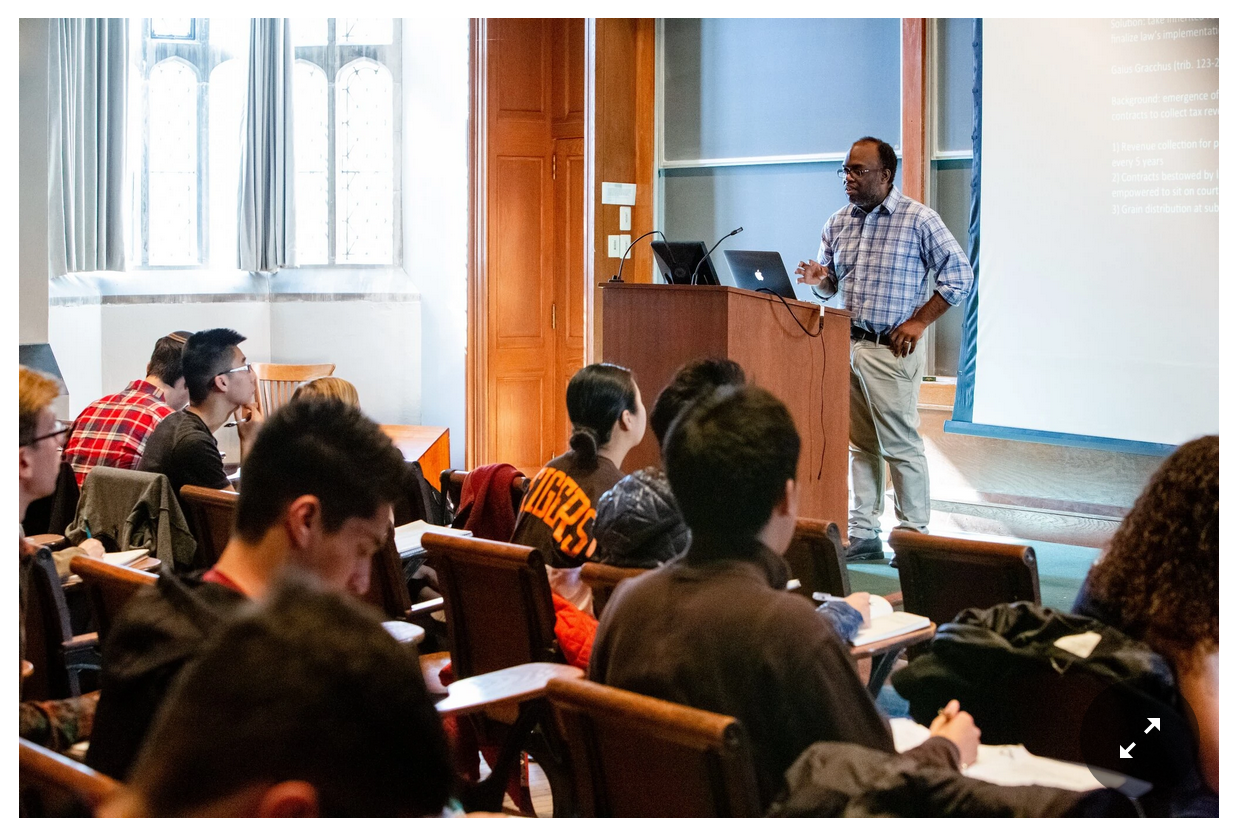
Dan-el Padilla Peralta, a Professor of History at Princeton University, has called for a sustained overhaul of the study and teaching of ancient history and the Classics. Padilla wants to “explode the canon” and to “overhaul the discipline from nuts to bolts,” according to The New York Times.
Padilla teaching at Princeton University (New York Times)
Padilla’s critique fits with broader criticisms of academic approaches to Western history that have been discussed over the past three decades, as post-structuralist, post-colonial, gender studies, critical race studies, and global history movements have transformed the study of world history. Yet, even as professors have been attempting (imperfectly) to confront the historical legacies of racism, slavery, and colonialism in academic research and higher education, significant work remains to be done.
The academic historians confronting racial structures have arguably had only limited impact on primary and secondary education, public history, and political culture. The magnitude of the work to be done was brought home to American citizens who viewed the recent Storming of the Capitol by far-right militants.
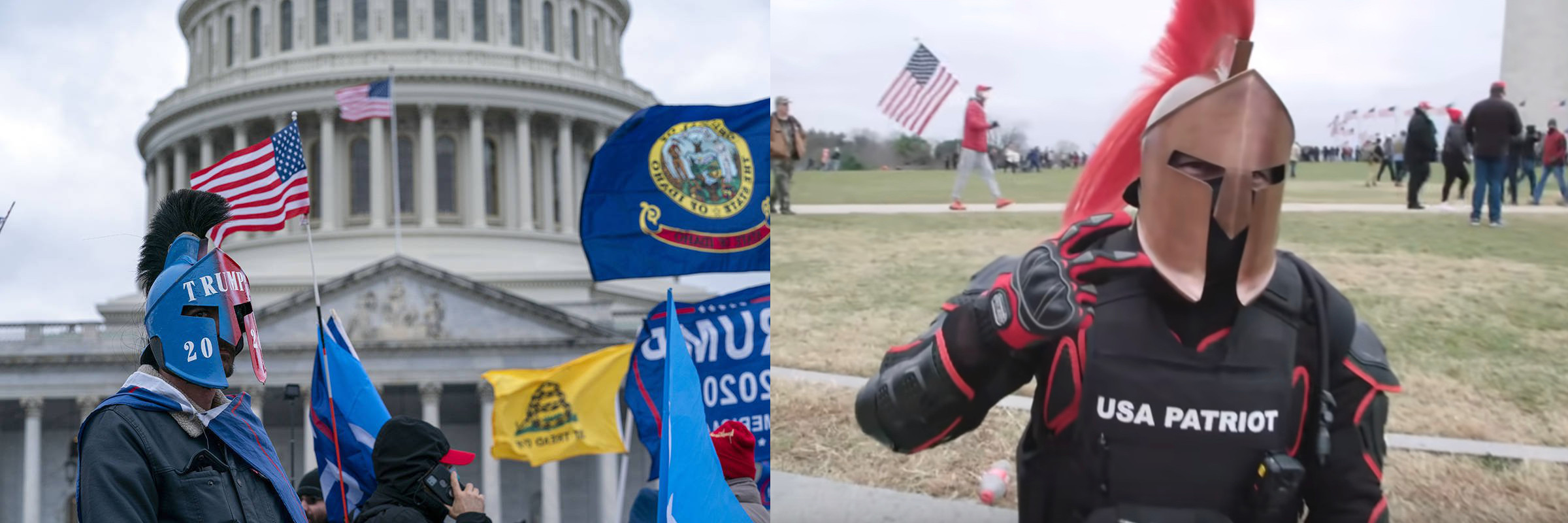
The New York Times reports: “On Jan. 6, Padilla turned on the television minutes after the windows of the Capitol were broken. In the crowd, he saw man in a Greek helmet with TRUMP 2020 painted in white. He saw a man in a T-shirt bearing a golden eagle on a fasces — symbols of Roman law and governance — below the logo 6MWE, which stands for ‘Six Million Wasn’t Enough,’ a reference to the number of Jews murdered in the Holocaust. He saw flags embroidered with the phrase that Leonidas is said to have uttered when the Persian king ordered him to lay down his arms: Molon labe, classical Greek for ‘Come and take them,’ which has become a slogan of American gun rights activists. A week after the riot, Representative Marjorie Taylor Greene, a newly elected Republican from Georgia who has liked posts on social media that call for killing Democrats, wore a mask stitched with the phrase when she voted against impeachment on the House floor.”
Greek helmets worn by crowd members during the Storming of the Capitol (Pharos)
Students in HIST 110 History of the Western World I at Northern Illinois University will be interested in delving into this intellectual debate more fully, since we will continue to grapple with its implications throughout the semester.
The New York Times reports on the controversy in ancient history and the Classics. Pharos, a Classics blog, dissects ancient imagery used by members of the crowd that stormed the Capitol on 6 January 2021.
For an introduction to the problematic concept of Western history, see:
Silvia Federici, ed., Enduring Western Civilization: The Construction of the Concept of Western Civilization and Its “Others” (Westport, CT: Praeger, 1995).
Ella Shohat and Robert Stam, Unthinking Eurocentrism: Multiculturalism and the Media (London: Routledge, 1994).
Eric R. Wolf, Europe and the People without History (Berkeley, CA: University of California Press, 1982).
The Center for Renaissance Studies at the Newberry Library will be holding its annual Multidisciplinary Graduate Student Conference in Premodern Studies as a virtual conference on 8-13 February 2021.
Graduate students in History, English, and World Languages and Cultures at Northern Illinois University often participate in the Multidisciplinary Graduate Student Conference in Premodern Studies. NIU graduate students have served as organizers, chairs, and presenters in previous conferences.
Here is the announcement from the Center for Renaissance Studies:
Join us for a special virtual edition of the Newberry’s Multidisciplinary Graduate Student Conference in Premodern Studies from February 8-13, 2021!
Each year, graduate students from the Consortium and beyond join us at the Newberry for a friendly, fascinating multidisciplinary conference. This year’s conference has been split between several remote asynchronous seminars, in which participants have built new intellectual networks and received feedback on precirculated papers, and a series of upcoming virtual cross-disciplinary roundtables, when students will share their research findings and discuss what they have learned from each other. These virtual roundtables will be free and open to the public, and we welcome you to attend and learn from these exciting emerging scholars!
We will also join together on Thursday, February 11, for a special keynote conversation on “Race & Pedagogy,” featuring Professors Carissa M. Harris (Temple) and Nedda Mehdizadeh (UCLA), which will be livestreamed on YouTube. Please note that for non-participants, this keynote conversation will only be available live via YouTube; no recording will available after the event has ended.
Please visit this page for scheduling and roundtable information. If you would like to attend the roundtables or receive a link to view the keynote livestream, please register here. Registrants will receive a Zoom link via email on the morning of each roundtable, or a link to the YouTube livestream for the keynote conversation.
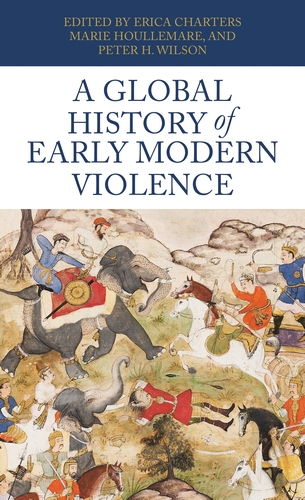
I am happy to report that my essay on “Ravages and Depredations: Raiding War and Globalization in the Early Modern World,” has been published in Erica Charters, E., Marie Houllemare, and Peter H. Wilson, eds., A global history of early modern violence (Manchester: Manchester University Press, 2020).
My chapter, “Ravages and Depredations: Raiding War and Globalization in the Early Modern World,” considers raiding warfare in southern France and the Mediterranean using French and francophone sources.
Here is the abstract: “Raiding war has often been characterized as ‘primitive war’, but raiding in the early modern world was highly organized and dynamic. This chapter examines evidence of raiding warfare in southern France and the Mediterranean during the late sixteenth and early seventeenth centuries. French experiences of raiding violence reveal three dimensions of early modern raiding warfare: borderlands raiding, economic devastation, and maritime raiding. Pirates and privateers launched repeated raids along the French coastlines, while soldiers, militia bands, and bandits engaged in significant raiding activities in the countryside and woodlands.”
The chapter is available for download at the Manchester University Press website, Openhive.
The entire ebook is now available in an open access version at the Manchester University Press website.
Digital Humanities methods are increasingly used in humanities research, teaching, and presentation through a myriad of techniques.
Digital tools and methods offer possibilities of analyzing texts, images, objects, and artifacts in different ways and from multiple perspectives. Although these methods often draw on or duplicate “traditional” humanities methods, they sometimes create entirely new ways of investigating human culture and society.
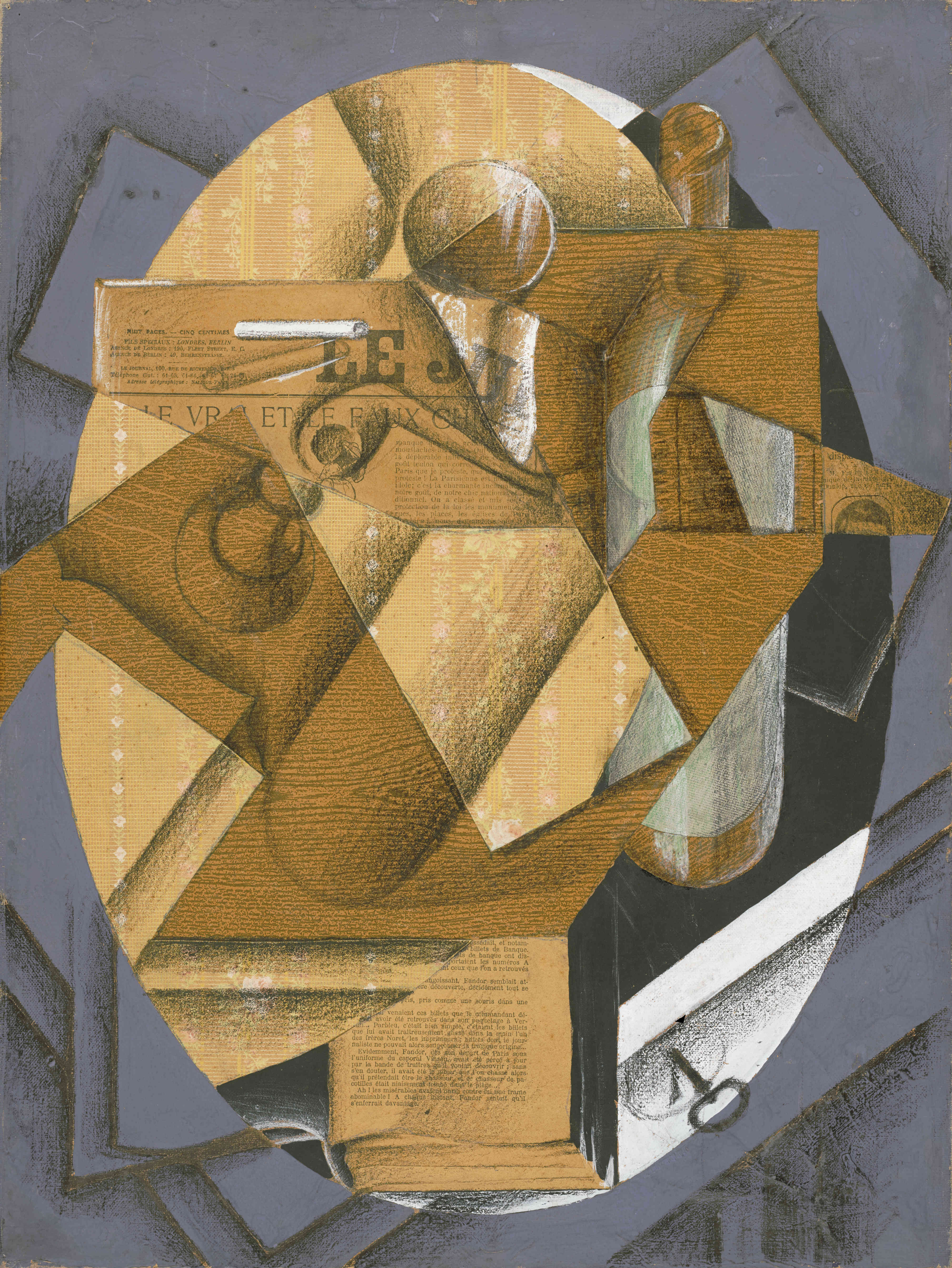
The New York Times published an interactive art history website this week in order to assess the development of the Cubist artistic movement in Paris in the early twentieth century. In many ways, the analysis in this website simply reduplicates well-established methods of art history analysis, discussing collage techniques, composition, visual representations, sources, references, and interpretations.
The analysis focuses on Juan Gris’s Still Life: The Table (Philadelphia Museum of Art) and interprets it as presenting revolutionary in the development of Cubism.
Juan Gris, Still Life: The Table (Philadelphia Museum of Art)
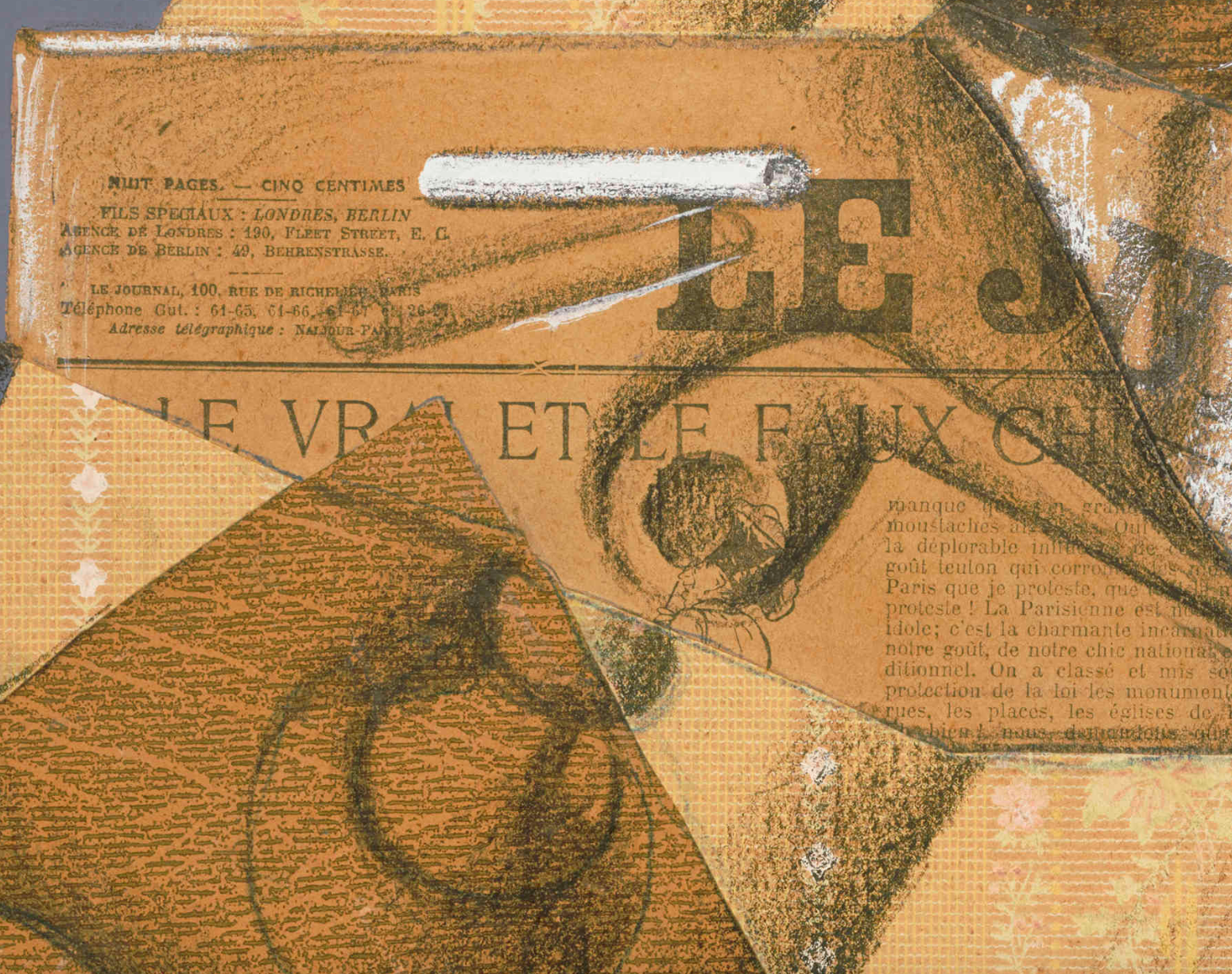
The Digital Humanities techniques used to analyze Gris’s Still Life: The Table control the viewer’s gaze to zoom in on particular images within the painting.
Juan Gris, Still Life: The Table (detail)
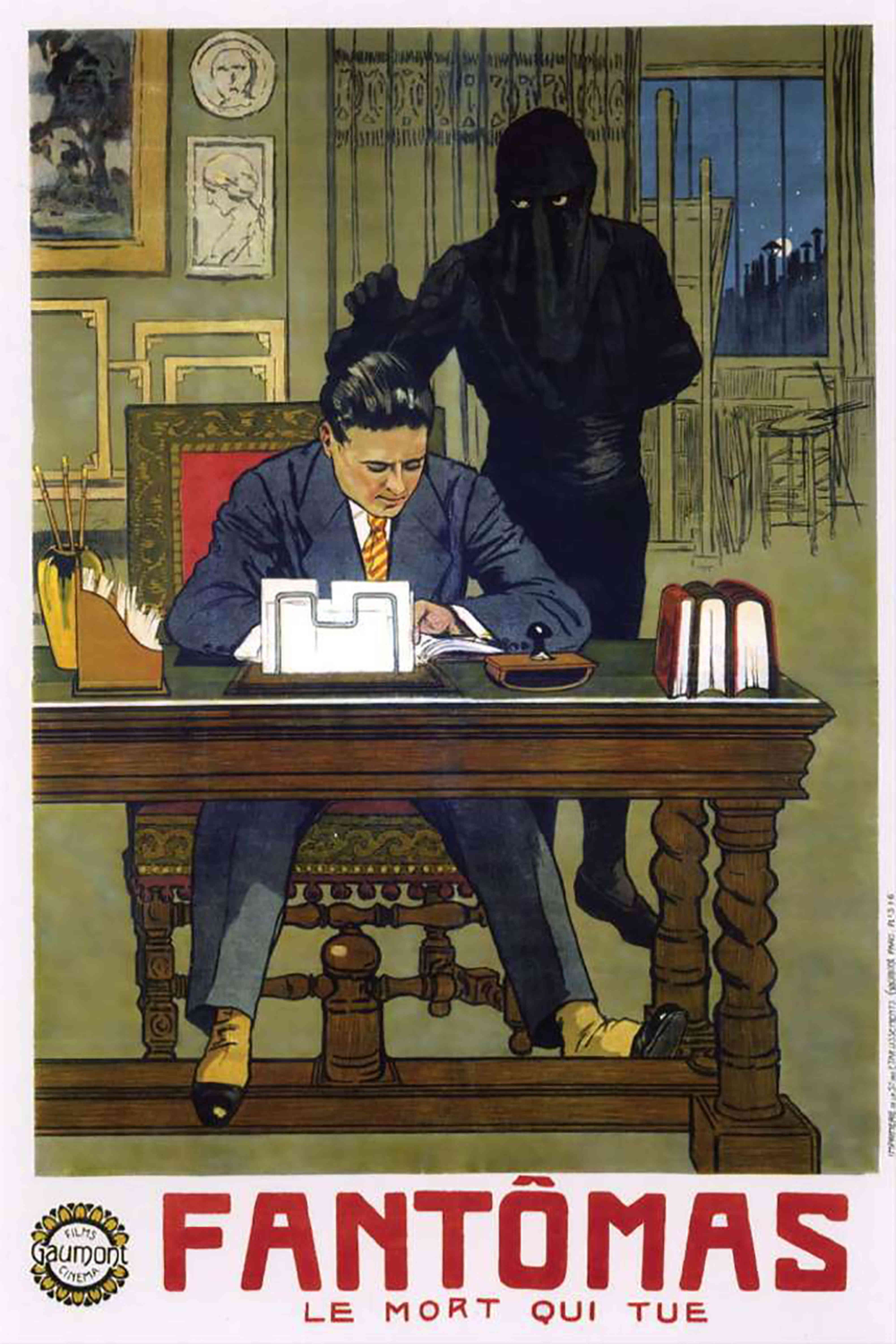
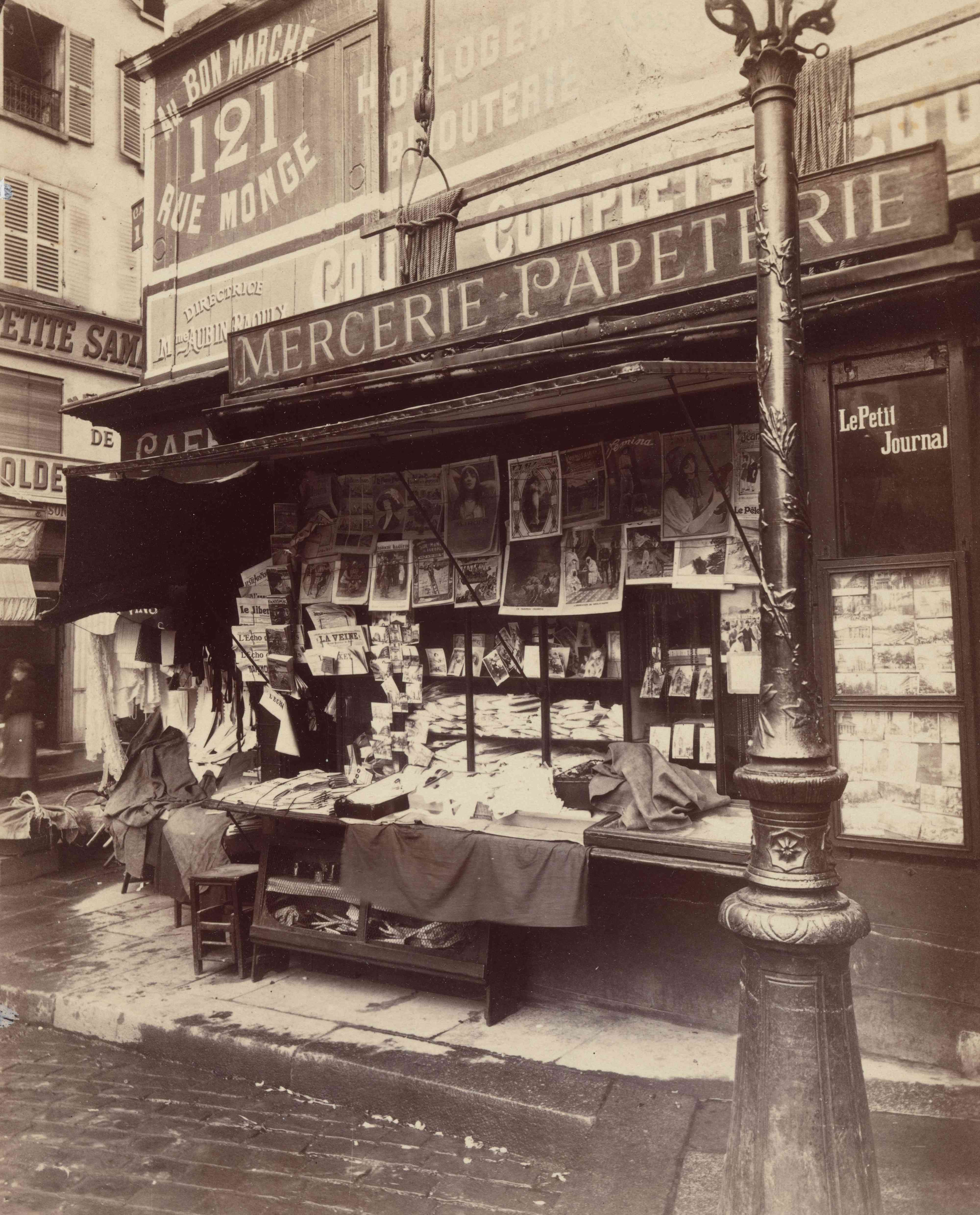
The interactive website then zooms out to consider other paintings, drawings, magazines, and newspapers as sources and references.
Fantômas
The interactive site could have used additional Digital Humanities techniques to develop further historical and contextual analysis of the publishing industry, political culture, urban society, and café culture in early twentieth-century Paris.
The zooming effect and source analysis employed by the interactive website can be achieved in art history articles and books using numerous separate images in sequence, but the interactive website is more efficient and elegant in guiding the viewer’s eye through the painting’s composition and its sources.
This is a relatively simple application of Digital Humanities techniques to art history, but a good example of how the Digital Humanities methodologies have become so pervasive across the disciplines of art history, history, literary studies, philosophy, religious studies, music history, museum studies, manuscript studies, archival studies, and related fields.
The interactive website entitled “An Art Revolution, Made With Scissors and Glue,” appears on The New York Timeswebsite.
On Digital Humanities, see:
Burdick, Anne, et al. Digital Humanities. Cambridge: The MIT Press, 2012.
Crompton, Constance Louise Kathleen, Richard J. Lane, and Raymond George Siemens. Doing Digital Humanities: Practice, Training, Research. New York: Routledge, 2016.
Deegan, Marilyn, and Willard McCarty. Collaborative Research in the Digital Humanities. London: Routledge, 2016.
Drucker, Johanna. “Humanities Approaches to Graphical Display.” Digital Humanities Quarterly 5, no. 1 (2011).
Gold, Matthew K. Debates in the Digital Humanities. Minneapolis: University of Minnesota Press, 2012.
The Society for Military History is organizing several special panels for undergraduate and master’s students studying war and society at its upcoming annual conference, which will be held virtually.
The Society for Military History (SMH) conference theme this year is Turning the Tide: Revolutionary Moments in Military History. The SMH conference selection committee is especially interested in research papers on topics related to this theme, but will also consider papers on other aspects of the history of war and society.
I would encourage undergraduate and M.A. students in History studying war and society at Northern Illinois University to consider submitting a paper proposal for this conference.
Here is the call for papers from the Society for Military History:
The Society for Military History is pleased to call for papers for several special sessions by Young Scholars (B.A. and M.A. students) during its 87th Annual Meeting, hosted by the Joint Advanced Warfighting School in Norfolk, VA. The goal of this initiative is to highlight excellent historical research by students who are not in PhD programs and promote them and their work.
For the 2021 meeting, the Program Committee will consider paper and panel proposals on all aspects of military history, especially encouraging submissions that reflect on this year’s theme: Turning the Tide: Revolutionary Moments in Military History.
We invite submissions that describe the revolutionary moments of military history: the flashpoints that changed the course of the wars we study, how societies prepared to fight them, or how we understand them. The Program Committee will favor panels that emphasize those points of inflection when the course of military history pivoted in a profoundly new direction, especially in ways that had an impact lasting for generations or lifetimes. Submissions that focus on other topics, however, will also be entertained by the Program Committee.
Submissions of pre-organized panels and roundtables are strongly encouraged and will be given preference in the selection process. Panel and paper proposals will clearly explain their topics and questions in ways that will be understandable to the broad membership of the SMH, not only to those interested in the specific topics in question. Additionally, the SMH encourages the representation of the full diversity of its membership and especially values panel and roundtable proposals that reflect the organization’s diversity of institutional affiliations, various career paths and ranks, gender, race, and ethnicity.
Proposals are welcome for complete panels, roundtables, and individual papers. Curriculum vitae with institutional affiliation, email address, and other contact information are required for all presenters, including panel chairs and commentators. They should not contain personal information, since CVs may be linked to the conference program on the mobile app.
Panel proposals must include a panel title and 300-word abstract summarizing the theme of the panel; paper title and a 300-word abstract for each paper proposed; and a one-page professional curriculum vitae for each panelist (including the chair and commentator).
Roundtable proposals must include a roundtable title, a 300-word abstract summarizing the roundtable’s themes and points of discussion, and a one-page curriculum vitae for each participant (including the moderator, if any).
Individual paper proposals are also welcome and must include a paper title, 300-word abstract of the paper, and one-page vita with contact information and email address. If accepted, individual papers will be assigned by the program committee to an appropriate panel with a chair and commentator.
Individual presenters searching for other presenters from which to create a panel should use the Panel Builder link on the SMH 2021 conference website: https://www.smhannualmeeting.org.
Young Scholars previously accepted for the canceled SMH 2020 conference should resubmit their panels or papers via this year’s submission portal. The Program Committee will accept these papers without adjudication. Ensure you check the box marked “SMH 2020 Presenter”.
Those who wish to volunteer to serve as chairs and commentators should notify the Program Committee Chair, jonathan.winkler@wright.edu, and include a one-page curriculum vitae with their message. Please include “SMH 2021 Voluntary Chair/Commentator” in the subject line.
Proposals will be judged according to the following criteria:
Proposal explains the topic, research questions, methodologies, and historiographic significance to specialists and non-specialists alike can understand or explains how the panel will be of value to a range of SMH members teaching military history courses. (10 points)
Proposal presents new findings or revisions of long-held interpretations. (10 points)
Proposal addresses the conference theme. (5 points)
Proposal reflects the SMH’s diversity of institutional affiliations, various career paths and ranks, gender, race, and ethnicity. (Does not apply to individual submissions) (Does not apply to individual submissions) (5 points)
Participants may present one paper, serve on a roundtable, or provide panel comments. They generally may not fill more than one of these roles during the conference, with the following exceptions:
Members who act as panel chairs may deliver a paper, serve on a roundtable, or offer comments in another session.
Members who serve as both the chair and commentator of a single session generally may not present in another session.
These restrictions do not apply to members invited to participate in Presidential and Vice Presidential sessions.
Members resubmitting an accepted proposal from the cancelled 2020 meeting may attach themselves to new proposals in roles that would normally violate this guidance with the understanding that the Program Committee retains the prerogative of granting or denying exceptions at its discretion.
All submissions will be made through the 2021 SMH Submission Portal at http://www.smhannualmeeting.org. One person will need to gather all required information for panel and roundtable submissions and enter the information in the portal. Individual paper submissions can be made by the individual concerned. For questions about the submission process, contact the chair of the program committee, jonathan.winkler@wright.edu. Please include “SMH 2021 Submissions Question” in the subject line.
To encourage proposals for in-person and online presentations, the submission window will remain open at least through March 2021. The Program Committee will evaluate proposals as they arrive and notify presenters of their status beginning 15 March 2021. All accepted presenters, chairs, and commentators must be members of the Society for Military History by 15 April 2021, to remain on the conference program.
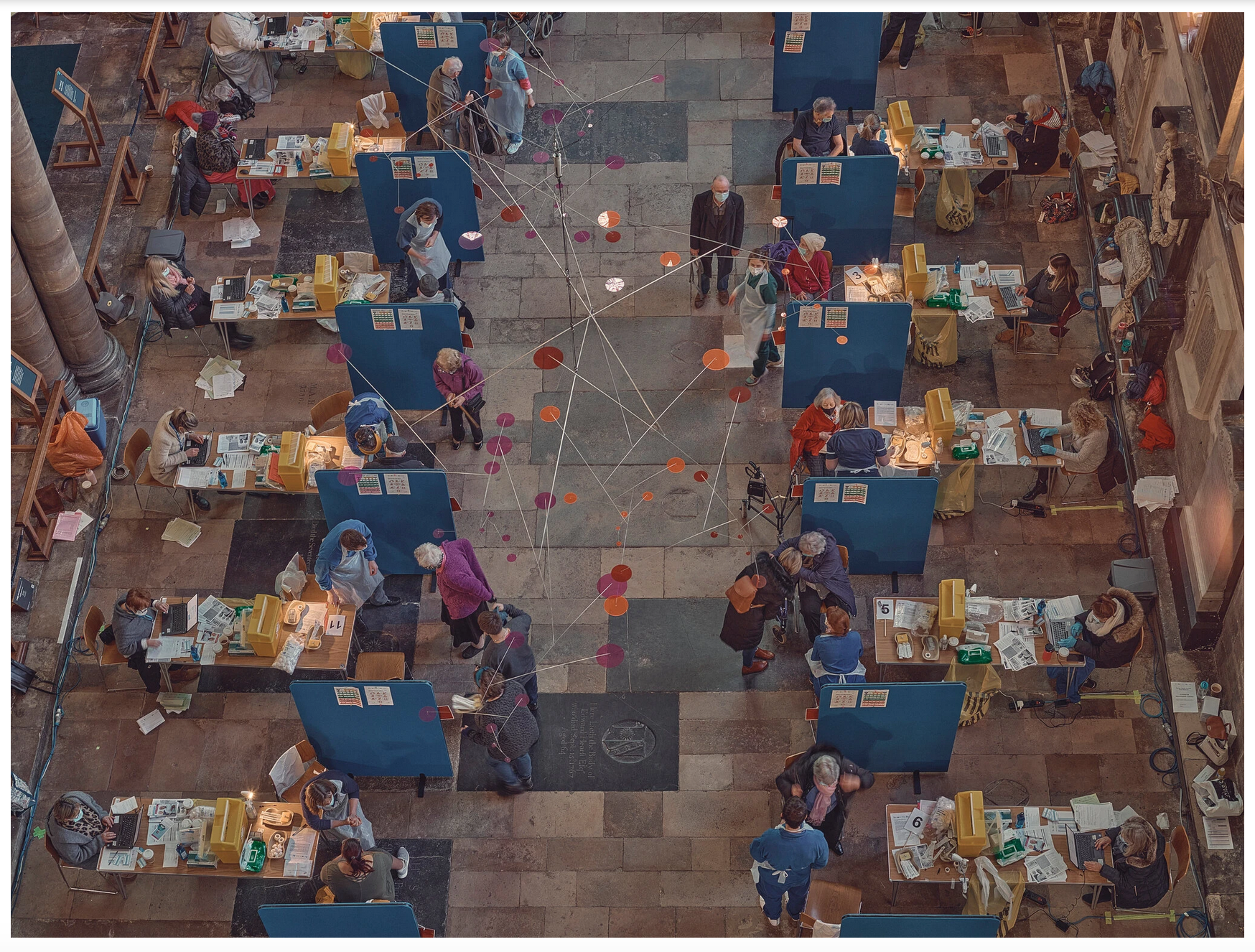
Salisbury Cathedral is currently serving as a Covid-19 vaccination site in the United Kingdom. The soaring medieval architecture provides a vast, airy space for health care providers and British citizens getting vaccinated.
Salisbury Cathedral (New York Times)
According to The New York Times, “patients have been getting the vaccine at Salisbury Cathedral since Jan. 16, and it hosts the inoculation sessions twice a week for around 1,200 people a day. Sessions last about 12 hours, and, for most of that time, David Halls and John Challenger, the cathedral’s organists, provide a musical backing, ranging from well-known hymns to fairground tunes and euphoric classical works. That makes the cathedral one of the few places in the country one can hear live music right now.”
Vaccinations in Salisbury Cathedral (New York Times)
Organists have been playing various pieces, including Johann Sebastian Bach’s “Jesu, Joy of Man’s Desiring” and other early modern musical works.
The religious architecture of the Salisbury Cathedral is an important example in England of thirteenth-century gothic style. The cathedral holds one of four surviving copies of the Magna Carta and a fourteenth-century mechanical clock.
What a fascinating mixture of medieval religious architecture, early modern music, and contemporary medicine!
The New York Times reports on the organ recitals and Covid-19 vaccinations at Salisbury Cathedral.
The Salisbury Cathedral website provides information on the history of the cathedral building and its collections.
The Center for Renaissance Studies at the Newberry Library in Chicago is hosting a series of Premodern Studies Seminars, which will all be held virtually due to the ongoing Covid-19 pandemic.
The Premodern Studies Seminar theme this year is Premodern Crisesand the seminar presentations focus on climate change, plague, and disease in the premodern world.
Graduate students and Honors students who are studying ancient, medieval, and early modern history at Northern Illinois University will be interested in these seminars.
Here is the announcement from the Center for Renaissance Studies:
CRS is pleased to announce the winter and spring meetings of the Premodern Studies Seminar. This seminar provides a forum for new approaches to classical, medieval, and early modern studies, allowing scholars from a range of disciplines to share works-in-progress with the broader community at the Center for Renaissance Studies. Every meeting is free and open to the public, and participants are encouraged to attend as many seminars as they are able. Due to the ongoing COVID-19 pandemic, all seminar meetings will take place virtually over Zoom.
The theme of the 2020-2021 seminars is “Premodern Crises.” We aim to explore the many ways in which ancient, medieval, and early modern people responded to disruptive events of all kinds: epidemic, war, famine, mass migration and displacement, religious schisms, ecological catastrophe, popular revolt, the rise and fall of empires, and crises of political legitimacy. How were these crises experienced by different segments of premodern societies throughout the world? What do the official and private responses to moments of crisis tell us about the structures and workings of premodern institutions? What impact did these crises have on thought, belief, art, and society? What categories other than “crisis” did premodern people use in order to understand such events? Finally, what does it mean to do scholarship on premodern crises in these times of radical uncertainty? How has the present moment forced or invited you to re-examine approaches to engaging with the past through research and teaching?
See below for further information about the upcoming meetings. Individual announcements, including registration information, will be made for each seminar 2-3 weeks in advance. For more information about the Premodern Studies Seminar, visit our website here: https://www.newberry.org/premodern-studies-seminar
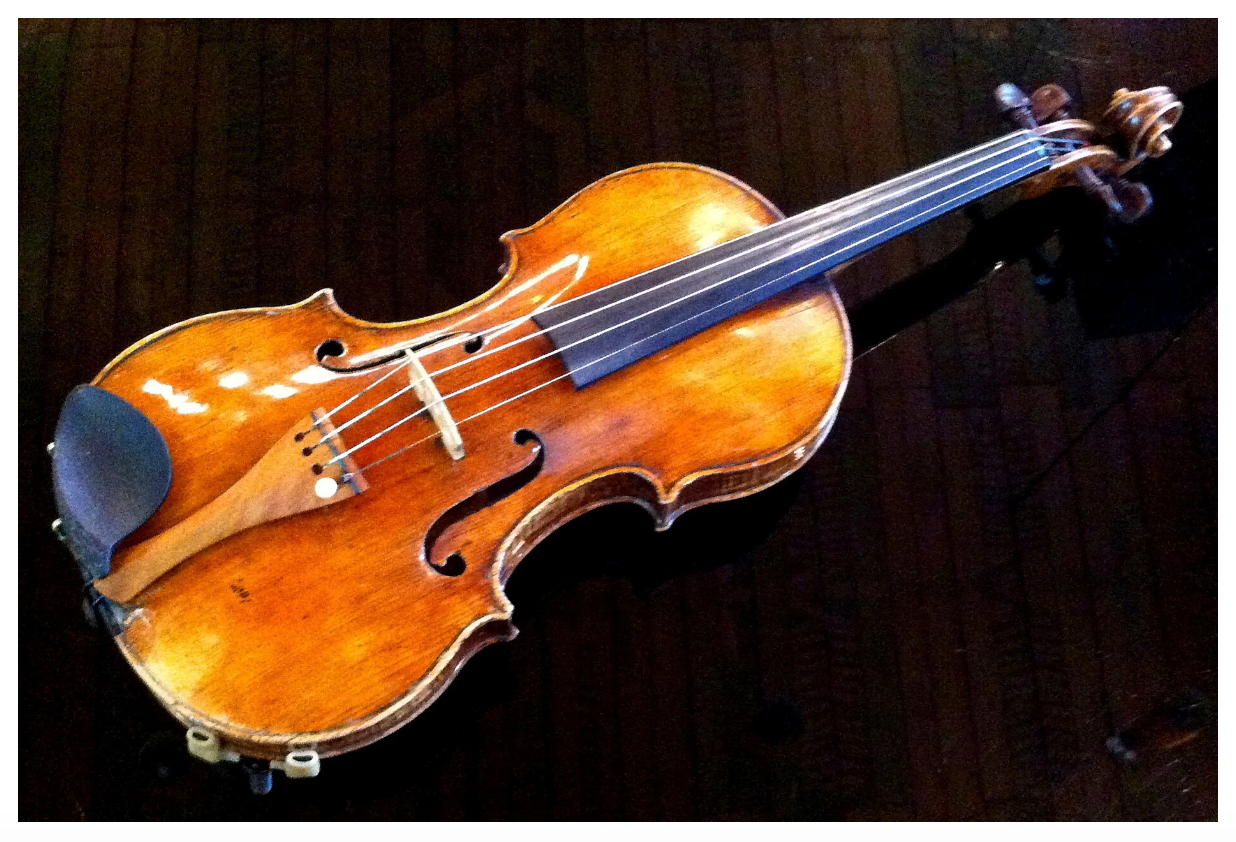
A violin constructed by Giuseppe Guarneri, an eighteenth-century violin maker from Cremona known as del Gesù (of Jesus), has become the center of a controversy over the legacies of Nazi coercion and looting of artworks belonging to Jewish victims of Nazi intimidation, discrimination, and the Holocaust.
Hildesheimer violin (New York Times)
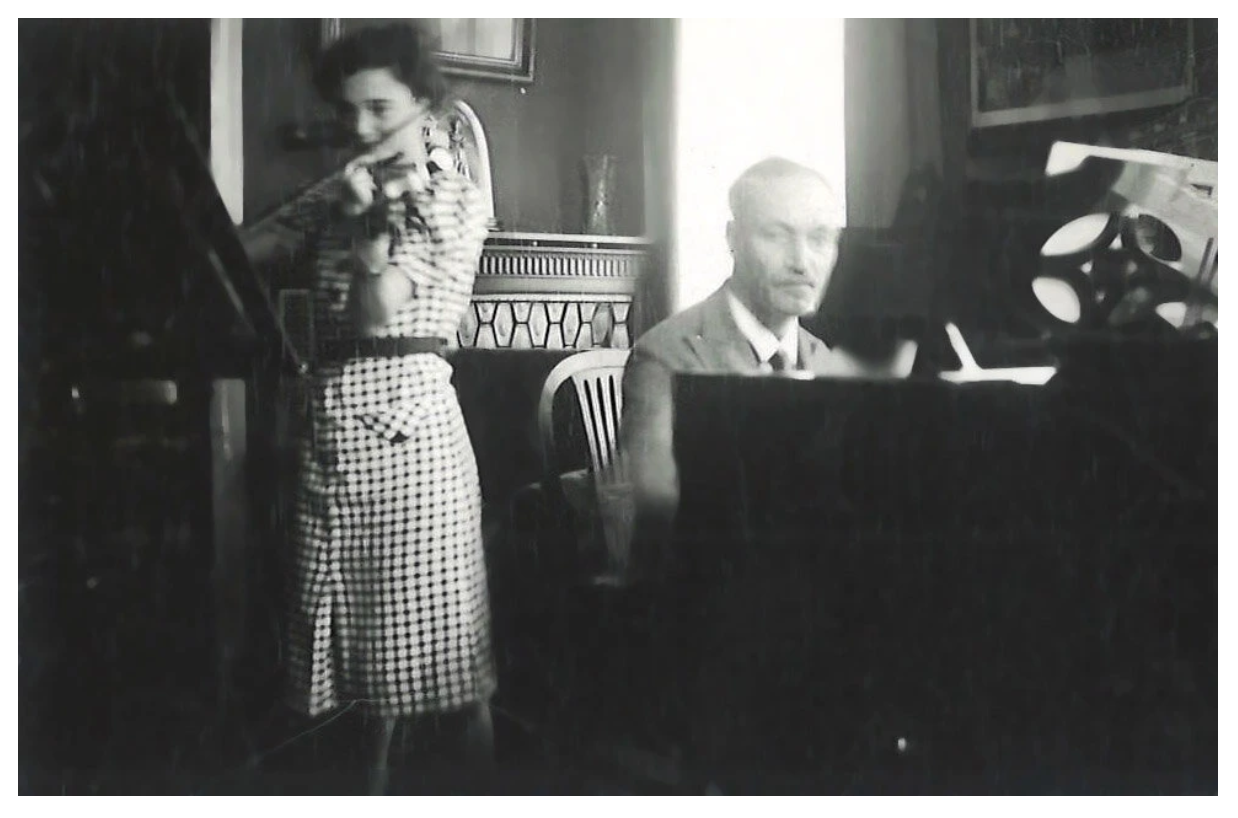
Felix Hildesheimer, a Jewish music instrument dealer, purchased the Guarneri violin in 1938, perhaps hoping to sell it abroad. Hildesheimer and his wife apparently were attempting to depart Germany and move to Australia, but they could not get the appropriate visas. Felix Hildesheimer committed suicide and the violin disappeared from the records….
Felix Hildesheimer (New York Times)
The New York Times reports: “The government’s Advisory Commission on the return of Nazi-looted cultural property determined in 2016 that the violin was almost certainly either sold by Hildesheimer under duress, or seized by the Nazis after his death. In its first case concerning a musical instrument, the panel recommended that the current holder, the Franz Hofmann and Sophie Hagemann Foundation, a music education organization, should pay the dealer’s grandsons compensation of 100,000 euros, around $121,000; in return, the foundation could keep the instrument, which it planned to lend to talented violin students. But the foundation is refusing to pay.”
Peace and reconciliation efforts often depend on governmental commissions or non-governmental bodies to act as mediators in cases of human rights violations and war crimes.
The case of the Hildesheimer violin exposes the vulnerability of peace and reconciliation processes to subversion by parties that refuse to conform to its findings.
The German Advisory Commission has no legal power to enforce its findings that the Hofmann and Hagemann Foundation should pay compensation to Felix Hildesheimer’s descendents.
If the Hofmann and Sophie Hagemann Foundation refuses to pay compensation in this case, the entire German mechanism for reconciliation could break down. These institutions depend on precedents as well as government and public support in order to operate effectively.
Scholars and students of peace and conflict studies need to follow such cases and uphold the work of peace and reconciliation institutions.
Violin workshop in Cremona (Photo by Miguel MEDINA / AFP
This case also is a reminder that historical research is needed to assist in contemporary legal cases and peace and reconciliation processes. Academic historians and professional researchers should be directly engaged in those processes, as well as training historians to conduct archival research and manuscript studies for legal cases with political implications.
NPR reports on Giuseppe Guarnieri’s violins and the rare musical instrument market. The Smithsonian Institution and the Stradavari Society provide overviews of the Guarnieri family of violin makers. The Local has an article about violin workshops in Cremona.
President Joe Biden’s Inauguration Ceremony went smoothly yesterday, despite security concerns and political tensions following the Storming of the U.S. Capitol on 6 January.
President Biden’s Inaugural Address stressed the theme of unity in a time of crisis.
This inauguration ceremony was a reminder of previous presidential inaugurations that have occurred during periods of serious political crisis.
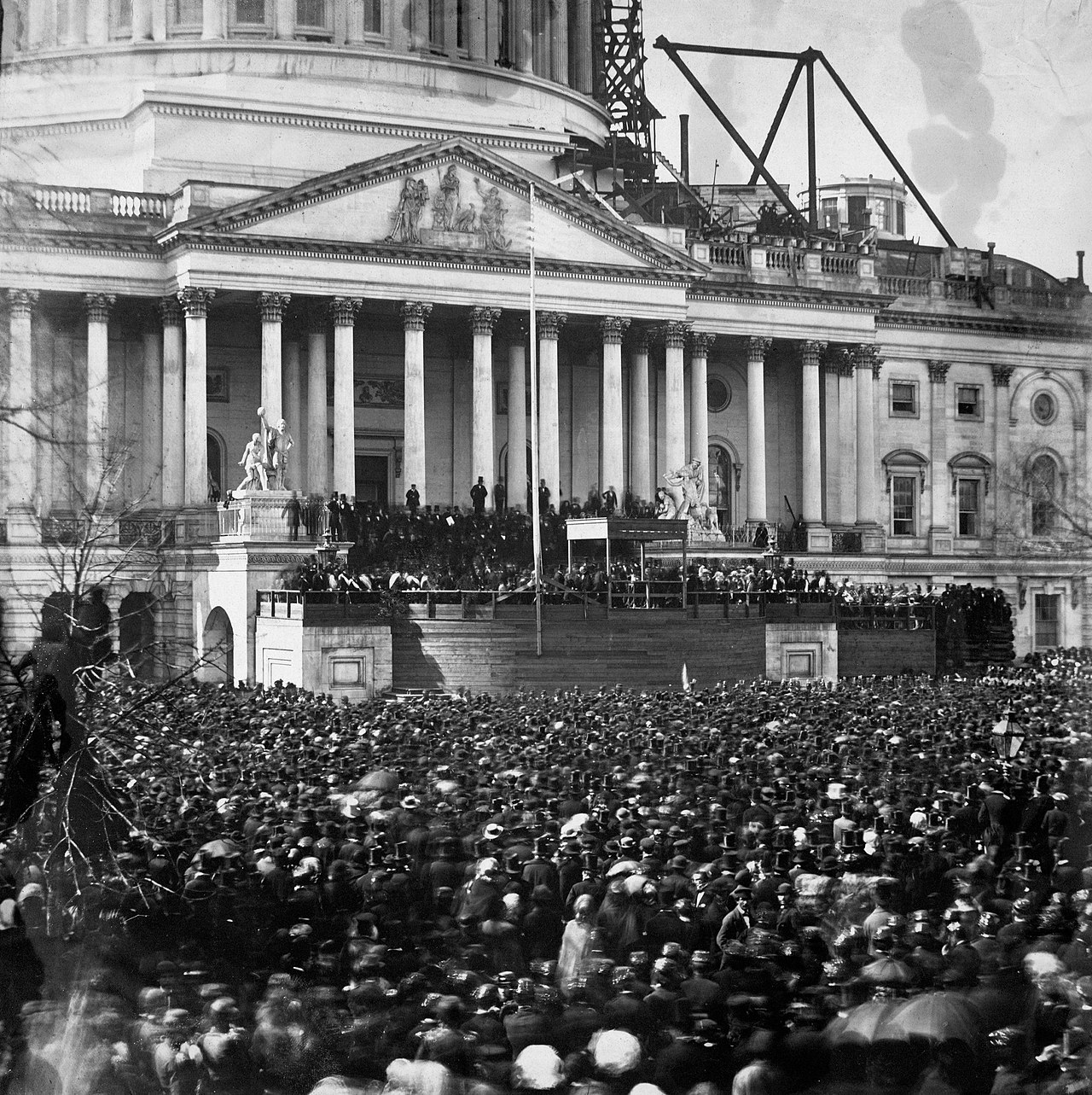
President Lincoln’s First Inauguration was held in March 1861, during the Secession Crisis that led to the American Civil War.
The Newberry Library has posted an account of President Lincoln’s First Inauguration that was written by William W. Averell, a U.S. Army officer who was on leave and who traveled to Washington, D.C. for the inauguration.
The Newberry Library website discusses the account of President Lincoln’s Inauguration.








 Brian Sandberg: Historical Perspectives